BLOG
Teasemoonga: Discover Unique Flavors & Premium Tea Blends


Tea is more than just a beverage; it’s an experience, a journey through aromas, flavors, and traditions from around the world. If you are a tea enthusiast or simply someone who enjoys a good cup of tea, then discovering unique flavors and premium tea blends is essential. Enter Teasemoonga, a brand that promises to elevate your tea-drinking ritual by offering an exquisite selection of teas that cater to every palate. In this article, we will explore what makes Teasemoonga special, delve into their range of unique flavors, understand the benefits of premium tea blends, and why this brand is quickly becoming a favorite among tea lovers everywhere.
TRENDING
From Blog TitaniumShare: Your Source For Tech Trends
The Art Of Tea: Why Flavor Matters
Tea is one of the oldest beverages known to humanity, and its preparation and consumption have evolved over centuries. The flavor of tea is influenced by several factors including the type of tea leaves, the region they are grown in, harvesting methods, and the blending process.
Unique Flavors: The Heart of Teasemoonga
Teasemoonga understands that flavor is the heart and soul of tea. Unlike generic teas that offer a one-dimensional taste, Teasemoonga curates a variety of blends that surprise and delight the senses. From floral and fruity notes to spicy and earthy undertones, each blend is crafted to provide a unique sensory experience.
What Makes Teasemoonga’s Tea Blends Premium?
When you choose a premium tea blend, you’re opting for quality, freshness, and craftsmanship. Here’s what sets Teasemoonga apart:
Handpicked Leaves
Teasemoonga sources its tea leaves from carefully selected plantations known for their quality. The leaves are handpicked at the perfect stage of growth to ensure optimum flavor and aroma.
Natural Ingredients
No artificial flavors, colors, or preservatives are used. Teasemoonga blends its teas with natural herbs, spices, flowers, and fruits, providing an authentic and healthy tea experience.
Innovative Blending Techniques
Combining traditional methods with modern innovation, Teasemoonga’s master blenders experiment with combinations that enhance and complement the natural taste of the tea leaves.
Freshness Guarantee
Each batch of tea is packed to preserve freshness, aroma, and nutrients. This ensures that every cup brewed from Teasemoonga tea is as fresh as the first.
Exploring Teasemoonga’s Range Of Unique Flavors
Teasemoonga offers a diverse collection of teas, each with its own story and flavor profile. Here are some popular categories and their unique offerings:
Floral Teas
Floral teas are known for their fragrant aromas and soothing qualities. Teasemoonga’s blends often include jasmine, rose, hibiscus, and lavender, creating teas that are calming and refreshing.
Example: Jasmine Green Tea with hints of fresh jasmine blossoms offers a delicate sweetness with a light, fresh finish.
Fruity Teas
Ideal for those who enjoy a burst of natural fruit flavors without added sugars, these blends mix teas with dried fruits such as berries, apple pieces, and citrus peels.
Example: Berry Fusion blends rich black tea leaves with dried blueberries and raspberries for a sweet and tangy cup.
Spiced Teas
These blends incorporate warming spices like cinnamon, cardamom, ginger, and cloves, perfect for cooler days or a comforting treat.
Example: Chai Masala, a classic Indian blend, includes black tea, cinnamon, ginger, and black pepper for a robust and aromatic cup.
Herbal Teas
Teasemoonga also offers herbal infusions that are naturally caffeine-free and packed with health benefits, featuring ingredients like chamomile, peppermint, and lemongrass.
Example: Peppermint Herbal Tea for a refreshing and digestive-friendly brew.
Health Benefits Of Premium Tea Blends
Drinking tea has long been associated with numerous health benefits, and premium blends like those from Teasemoonga only amplify these advantages due to their natural, high-quality ingredients.
Antioxidants and Immune Support
Tea, especially green and white varieties, is rich in antioxidants that help fight free radicals in the body. These antioxidants may contribute to reducing the risk of chronic diseases and boosting the immune system.
Improved Digestion and Relaxation
Herbal and spiced teas from Teasemoonga can aid digestion, soothe the stomach, and promote relaxation. Ingredients like ginger and chamomile are well-known for their calming effects.
Mental Clarity and Focus
The moderate caffeine content in black and green teas, combined with natural amino acids like L-theanine, enhances mental alertness and focus without the jitters associated with coffee.
Brewing The Perfect Cup With Teasemoonga
To fully appreciate the unique flavors of Teasemoonga’s premium blends, brewing techniques matter. Here are some tips to get the best cup every time:
-
Use Fresh Water: Always use fresh, filtered water to avoid impurities that can affect flavor.
-
Mind the Temperature: Different teas require different water temperatures. For example, green tea brews best at 75–85°C, while black tea needs near boiling (95–100°C).
-
Steeping Time: Avoid over-steeping to prevent bitterness. Usually, 2-3 minutes for green and white teas, and 3-5 minutes for black and herbal teas works well.
-
Use Quality Teaware: A good teapot or infuser can enhance the brewing process and keep the leaves fully expanded for maximum flavor extraction.
Why Choose Teasemoonga?
Commitment to Quality and Authenticity
Teasemoonga is committed to providing an authentic tea experience, focusing on quality at every step, from sourcing to packaging.
Eco-Friendly Practices
The brand also emphasizes sustainability, using eco-friendly packaging and working with growers who follow ethical farming practices.
Wide Variety for Every Taste
Whether you’re a fan of traditional black teas or adventurous with exotic herbal blends, Teasemoonga offers something for everyone.
Conclusion
If you’re looking to explore unique flavors and indulge in premium tea blends, Teasemoonga is a destination worth discovering. With a focus on quality, natural ingredients, and innovative blends, Teasemoonga invites tea lovers to embark on a sensory journey like no other. From the first sip to the last, each cup promises freshness, flavor, and a moment of pure bliss.
ALSO READ: Cosjfxhr: Innovative Solutions For Your Digital Needs
FAQs
What is Teasemoonga?
Teasemoonga is a premium tea brand that specializes in offering unique and flavorful tea blends sourced from high-quality tea leaves and natural ingredients. They focus on delivering fresh, authentic, and aromatic teas to tea enthusiasts worldwide.
Are Teasemoonga teas organic?
Many of Teasemoonga’s teas are sourced from organic plantations, and they prioritize natural ingredients with no artificial additives. However, it is best to check the specific product details for organic certification.
How should I store Teasemoonga teas?
To maintain freshness and flavor, store your teas in a cool, dry place away from direct sunlight and strong odors. Airtight containers work best to preserve the tea’s aroma.
Can I find caffeine-free options with Teasemoonga?
Yes, Teasemoonga offers a range of herbal teas and tisanes that are naturally caffeine-free, perfect for those looking to avoid caffeine.
How can I brew the best cup of Teasemoonga tea?
Use fresh, filtered water, the right water temperature based on the tea type, and steep for the recommended time to avoid bitterness. Using quality teaware can enhance the flavor and overall experience.
BLOG
Wisconsin Business Entity Search: The Complete Practical Guide for Entrepreneurs, Owners, and Professionals

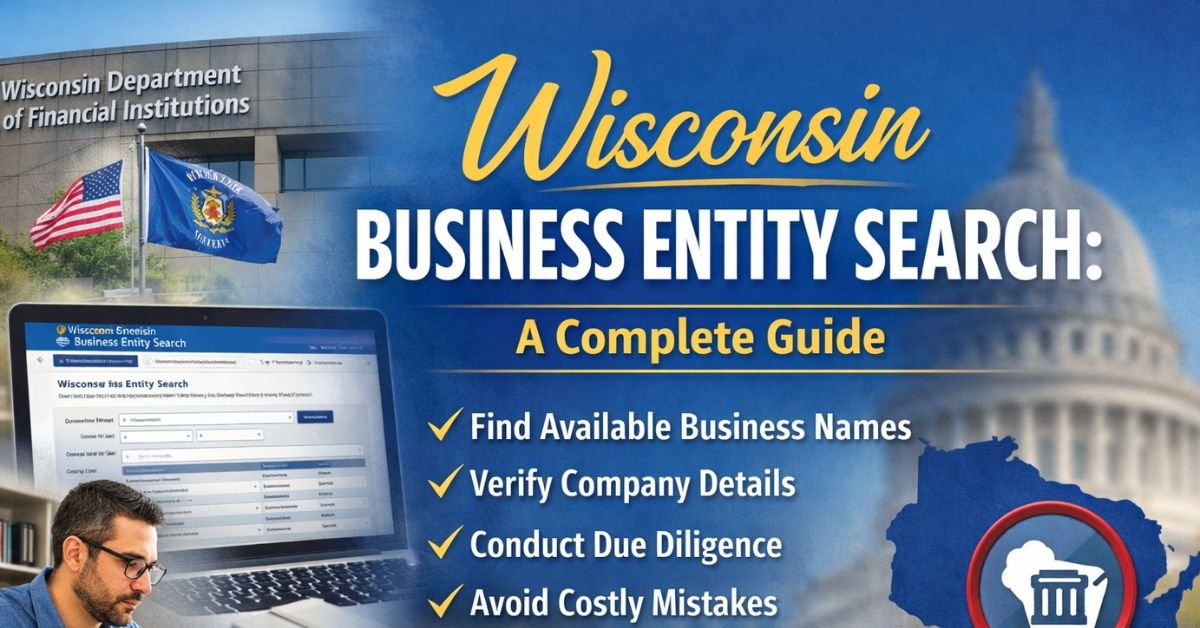
Starting or managing a business in Wisconsin doesn’t begin with paperwork or logos—it starts with certainty. Certainty that the business name you want is available, certainty that the company you’re dealing with is legitimate. Certainty that the records you’re relying on are accurate and current. That’s exactly where a wisconsin business entity search becomes one of the most powerful (and often underestimated) tools in your business toolkit.
I’ve worked with founders who skipped this step and paid for it later—rebranding costs, legal disputes, delayed bank accounts, even denied contracts. I’ve also seen smart entrepreneurs use a simple entity search to uncover hidden opportunities, verify partners, and move forward with confidence. This guide is built from that real-world experience, not theory.
By the end of this article, you’ll understand exactly what a wisconsin business entity search is, why it matters far beyond name availability, how to use it step by step, what tools work best, and how to avoid common (and expensive) mistakes. Whether you’re launching your first LLC, checking a competitor, or doing due diligence for a deal, this guide is written to help you do it right the first time.
What Is a Wisconsin Business Entity Search? (Beginner-Friendly Breakdown)

At its core, a wisconsin business entity search is a public lookup system that lets you access official records of businesses registered in the state of Wisconsin. These records are maintained by the state and include essential details about companies that operate—or intend to operate—there.
Think of it like a business “background check.” Just as you might Google a new employer before accepting a job, a business entity search lets you verify the legal identity of a company before you interact with it. It answers foundational questions: Does this business legally exist? Is it active or dissolved? Who owns or manages it? When was it formed?
For beginners, it helps to compare this to checking a car’s VIN before buying it. The car may look fine on the outside, but the VIN reveals accidents, ownership history, and legal status. A wisconsin business entity search does the same for companies.
The search typically provides access to:
- Legal business name and any alternate names (DBAs)
- Entity type (LLC, corporation, nonprofit, etc.)
- Formation date
- Current status (active, inactive, dissolved)
- Registered agent information
- Filing history
What it does not do is evaluate the quality of a business or guarantee financial health. It’s a verification tool, not a credit report. But used correctly, it becomes the foundation for smarter decisions—especially in today’s environment where online businesses can appear legitimate without actually being registered.
Why a Wisconsin Business Entity Search Matters (Benefits & Use Cases)
A wisconsin business entity search isn’t just a bureaucratic step—it’s a risk-reduction and opportunity-identification tool. The benefits extend far beyond entrepreneurs filing their first LLC.
For new business owners, the most obvious use case is name availability. You might have the perfect business name in mind, but if another Wisconsin entity already holds it—or something confusingly similar—you could face rejection during registration or legal trouble later. A quick search upfront saves weeks of frustration and rework.
For existing businesses, entity searches support due diligence. Before signing a vendor contract, hiring a consultant, or entering a partnership, verifying the other party’s legal standing protects you from fraud and misrepresentation. I’ve seen cases where businesses discovered a “partner” was actually administratively dissolved years earlier.
Investors, lenders, and real estate professionals use entity searches to:
- Confirm ownership structures
- Verify signing authority
- Check compliance status before releasing funds
Even consumers benefit. If you’re hiring a contractor, consultant, or service provider in Wisconsin, checking their entity status helps confirm they’re operating legally and transparently.
Common real-world scenarios include:
- Entrepreneurs validating an LLC name before filing
- Accountants confirming entity status for tax filings
- Lawyers conducting pre-litigation research
- Journalists verifying company claims
- Freelancers checking clients before contracts
In short, if money, reputation, or legal responsibility is involved, a wisconsin business entity search should be part of your process.
How to Perform a Wisconsin Business Entity Search (Step-by-Step Guide)
Doing a wisconsin business entity search is straightforward, but knowing how to search effectively makes all the difference. Many people search once, see no results, and assume a name is available—only to find out later they searched incorrectly.
Here’s the practical, field-tested approach.
First, start with the official state database maintained by the Wisconsin Department of Financial Institutions. This is the authoritative source. Third-party sites can be useful, but the state database is always the final word.
Begin with a broad name search. If your desired business name is “North Shore Consulting LLC,” search “North Shore” instead of the full name. This helps surface similar names that could cause confusion or rejection.
Next, review the entity details carefully:
- Confirm the entity type (LLC vs corporation)
- Check the status (active, inactive, administratively dissolved)
- Note formation and dissolution dates
If your search returns multiple results, don’t panic. Similar names can coexist if they’re distinguishable enough, but this is where judgment and sometimes legal advice matter.
For deeper research, click into the entity’s filing history. This shows annual reports, amendments, and compliance patterns. A business that hasn’t filed required reports may be inactive even if the name looks available.
Best practices:
- Try multiple spelling variations
- Remove punctuation and entity endings (LLC, Inc.)
- Search by registered agent if researching a person or firm
- Save screenshots or PDFs for records
This step-by-step approach ensures you’re not just searching—but searching intelligently.
Understanding Entity Types and Statuses in Wisconsin
One area where people often get confused during a wisconsin business entity search is interpreting what they see. The database doesn’t just list names—it reflects legal structures and statuses that carry real implications.
Wisconsin recognizes several entity types, including:
- Limited Liability Companies (LLCs)
- Corporations (C-Corp and S-Corp)
- Nonprofit corporations
- Limited partnerships
- Cooperative associations
Each structure affects liability, taxation, and governance. When reviewing search results, make sure you understand which type you’re dealing with. For example, an LLC offers flexible management and pass-through taxation, while a corporation follows a more rigid structure with directors and officers.
Entity status is just as critical:
- Active: The business is in good standing
- Inactive/Dissolved: The business has ceased operations
- Administratively Dissolved: The state shut it down for noncompliance
- Pending: Formation documents submitted but not finalized
An administratively dissolved entity may still appear in searches, but it cannot legally operate. However, its name may not be immediately available for reuse. This is where many entrepreneurs get tripped up.
Always read the status carefully and, if needed, consult a professional before assuming a name or entity is free to use.
Tools, Platforms, and Search Options (Free vs Paid)
The good news is that a basic wisconsin business entity search is completely free through the state. For many users, that’s all you’ll ever need. But there are situations where additional tools provide value.
Free tools:
- Wisconsin DFI online search: Best for official verification
- Google search: Useful for brand presence context (not legal status)
- Secretary of State equivalents in other states (for multi-state checks)
Paid tools and services:
- Registered agent platforms offering multi-state searches
- Business intelligence tools that aggregate filings, liens, and compliance data
- Legal research platforms used by attorneys and compliance teams
Pros of free tools:
- Official and authoritative
- No cost
- Updated directly by the state
Cons:
- Limited analytics
- Manual comparison required
- No alerts or monitoring
Pros of paid tools:
- Cross-state searches
- Ongoing compliance alerts
- Entity relationship mapping
Cons:
- Monthly or per-search fees
- May still require manual verification with the state
For most small businesses and entrepreneurs, start free. Upgrade only if your operations, risk exposure, or scale demands it.
Common Mistakes in Wisconsin Business Entity Searches (and How to Fix Them)
Even though the process is simple, mistakes are surprisingly common—and often costly. Understanding these pitfalls can save you time, money, and legal stress.
One frequent error is assuming “inactive” means “available.” Just because a business is dissolved doesn’t mean its name is immediately reusable. Wisconsin may restrict reuse for a period, or similar names may still cause confusion.
Another mistake is searching too narrowly. Searching only the exact name you want ignores similar spellings or pluralizations that could trigger rejection or legal issues later.
People also overlook registered agent information, which can reveal whether multiple businesses are connected or whether a professional service is managing compliance.
Fixes include:
- Always search partial names
- Review entity history, not just current status
- Document your search results
- When in doubt, consult an attorney or registered agent
These small adjustments dramatically reduce risk.
Advanced Use Cases: Due Diligence, Compliance, and Competitive Research
Once you understand the basics, a wisconsin business entity search becomes a strategic tool.
for due diligence, you can verify:
- Ownership consistency
- Entity age and stability
- Compliance patterns
Compliance, businesses use searches to:
- Monitor their own filings
- Track competitors’ status
- Prepare for mergers or acquisitions
For competitive research, entity searches can uncover:
- Related companies
- Expansion patterns
- Market saturation indicators
This is where experienced professionals gain an edge—not by doing more searches, but by interpreting them better.
Conclusion: Why This Search Is Worth Your Time
A wisconsin business entity search may feel like a small step, but it carries outsized importance. It’s the difference between guessing and knowing, between hope and verification. Whether you’re launching, partnering, investing, or hiring, this one search anchors your decision-making in facts.
If there’s one takeaway from this guide, it’s this: never skip the search. It’s free, fast, and powerful. Make it a habit, not an afterthought. If you found this guide helpful, bookmark it, share it with a fellow founder, or explore the official database yourself—you’ll be surprised how much clarity a simple search can provide.
FAQs
It’s used to verify business registration details, check name availability, confirm legal status, and perform due diligence.
Yes, the official state search tool is completely free to use.
Not exactly. Names must be distinguishable enough to avoid confusion, even if entity types differ.
Not always. Some names remain restricted even after dissolution.
Updates occur as filings are processed, often within days.
Introduction
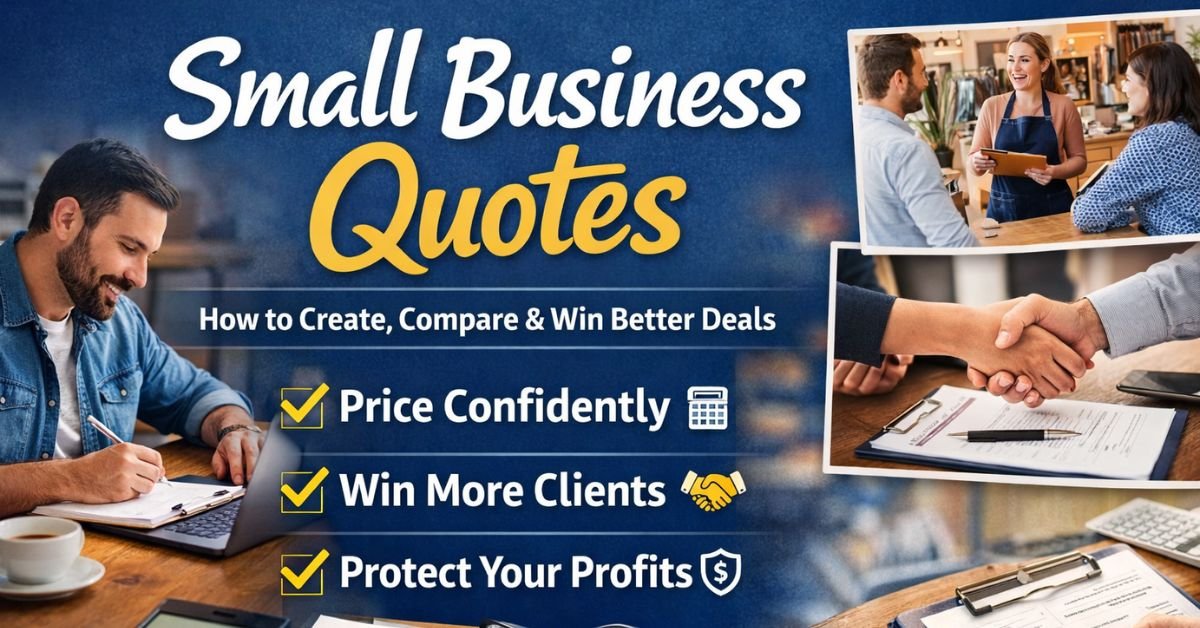
If you’ve ever run a small business—or even thought about starting one—you’ve almost certainly dealt with small business quotes, whether you realized it or not. Maybe you were comparing insurance prices late at night, asking a web designer for an estimate, or trying to explain your pricing to a client who kept saying, “Can you do it a little cheaper?”
Here’s the truth most guides won’t tell you: small business quotes aren’t just numbers on a page. They’re trust-builders, deal-makers, and sometimes deal-breakers. A good quote can win you a client, protect your business, and set clear expectations. A bad one can cost you money, time, or credibility.
In this guide, we’re going deep—real-world deep. You’ll learn what small business quotes actually are, how they’re used across industries, why they matter more than you think, and exactly how to create, compare, and use them like a seasoned pro. Whether you’re a freelancer, shop owner, consultant, or growing team, this article will give you practical tools you can apply immediately.
By the end, you’ll understand how to use small business quotes to price confidently, negotiate smarter, and make decisions that support long-term growth—not just short-term wins.
What Are Small Business Quotes? (A Beginner-Friendly Explanation)
At its core, a small business quote is a formal estimate of cost provided by a business or requested by one. It answers a simple question: “How much will this cost?” But in practice, quotes do a lot more heavy lifting than that.
Think of a quote like a roadmap. It outlines what’s included, what’s not, how long something will take, and what the customer or provider can expect, for service-based businesses, quotes often detail labor, timelines, and deliverables. For product-based businesses, they might include unit pricing, bulk discounts, shipping, and taxes. For insurance, quotes reflect risk, coverage levels, and policy terms.
One helpful analogy: a quote is like a prenup for business transactions. It sets expectations upfront so both sides know what they’re agreeing to before money changes hands.
Small business quotes typically fall into a few common categories:
- Service quotes (web design, marketing, repairs, consulting)
- Product or supplier quotes (inventory, manufacturing, wholesale)
- Insurance quotes (liability, property, workers’ compensation)
- Project-based quotes (construction, renovations, installations)
What makes small business quotes different from big-corporate pricing is flexibility. Small businesses often customize quotes based on client needs, scope changes, or relationships. That flexibility is powerful—but only if you manage it correctly.
Why Small Business Quotes Matter More Than You Think
It’s easy to treat quotes as administrative paperwork. But in reality, they sit at the intersection of sales, operations, and finance. Get them right, and your business feels professional and reliable. Get them wrong, and you’re constantly putting out fires.
First, quotes directly affect your profitability. Underquote, and you’ll work harder for less money—or even lose money. Overquote, and you risk pricing yourself out of opportunities. Accurate quotes protect your margins and your sanity.
Second, quotes build trust. Clear, well-structured quotes signal professionalism. Clients feel safer when they understand exactly what they’re paying for. Ambiguous quotes create anxiety and invite disputes later.
Third, quotes help you qualify clients. When someone pushes back aggressively on a fair quote, that’s valuable information. It may tell you they’re not the right fit. Quotes act as a filter, helping you focus on clients who respect your work.
Finally, quotes protect relationships. When expectations are documented, there’s less room for misunderstandings. That means fewer awkward conversations, fewer unpaid invoices, and more repeat business.
In short, small business quotes aren’t just about pricing—they’re about clarity, confidence, and control.
Benefits and Use Cases of Small Business Quotes
Who Needs Small Business Quotes?
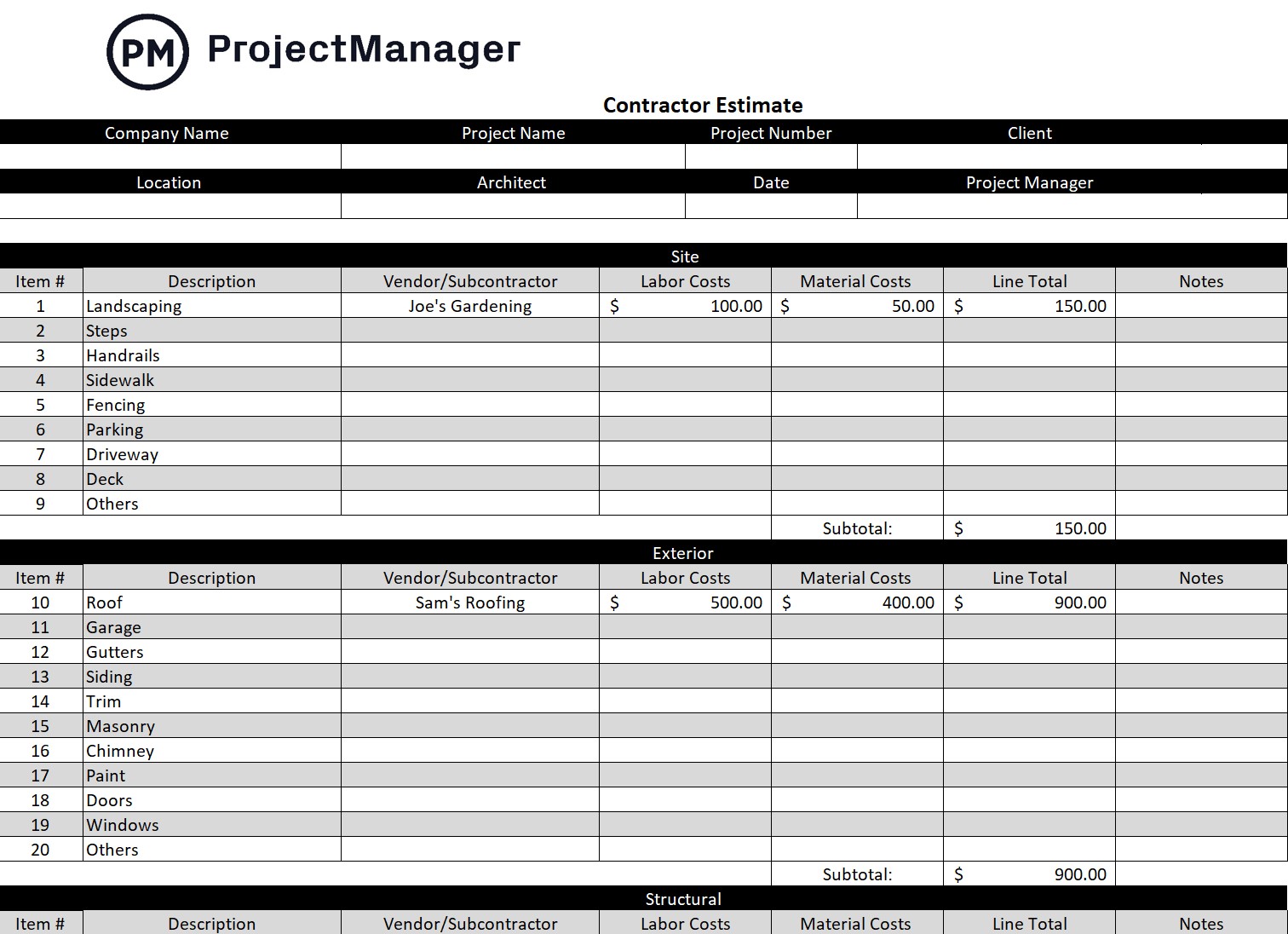
Almost every small business does, but how you use them depends on your model. Freelancers rely on quotes to scope projects. Retailers use quotes to negotiate with suppliers. Contractors use them to define timelines and materials. Even online businesses need quotes for software development, marketing, or logistics.
If money changes hands and scope matters, quotes matter.
Practical Benefits in the Real World
One major benefit is predictability. Quotes give you a clearer picture of cash flow. When you know what deals are worth and when payments are due, you can plan better.
Another benefit is professionalism. Clients often compare multiple providers. A detailed, easy-to-understand quote can set you apart—even if you’re not the cheapest option.
Quotes also save time. Instead of renegotiating every detail verbally, you can point back to the agreed quote. That reduces back-and-forth and keeps projects moving.
Real-World Scenarios
Imagine a freelance designer who sends vague pricing via email. Projects keep expanding, clients push boundaries, and payments feel uncomfortable. Now imagine the same designer using structured quotes with clear deliverables and revision limits. Suddenly, projects are smoother, clients are happier, and income is more predictable.
Or think of a small retailer sourcing products. Comparing supplier quotes helps them spot hidden fees, negotiate better terms, and protect margins.
These aren’t edge cases—they’re everyday realities where good small business quotes make a measurable difference.
Step-by-Step Guide: How to Create and Use Small Business Quotes Effectively
Step 1: Understand the Scope Completely
Before you quote anything, understand exactly what’s being requested. Ask questions. Clarify expectations. The biggest quoting mistakes happen when assumptions replace clarity.
Write down deliverables, timelines, dependencies, and exclusions. If something isn’t included, say so.
Step 2: Break Costs into Clear Components
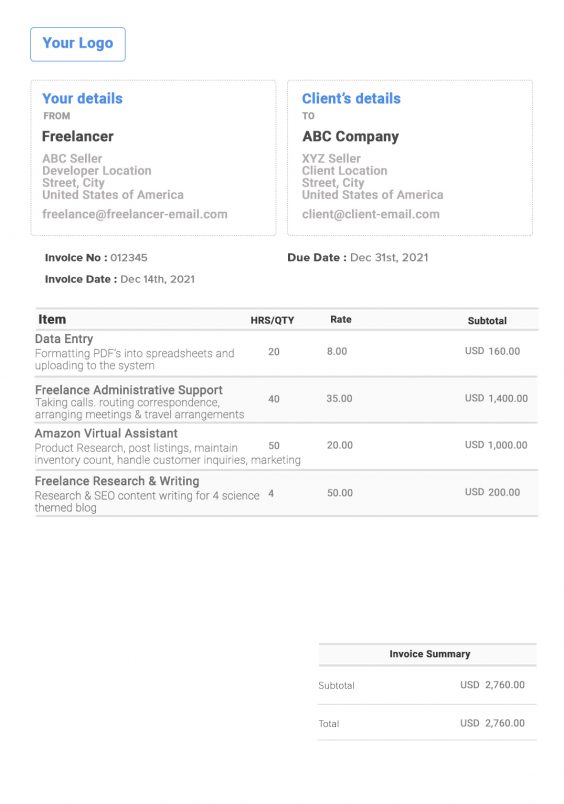
Avoid lump-sum mystery pricing whenever possible. Break your quote into sections such as:
- Labor or service fees
- Materials or tools
- Third-party costs
- Taxes or fees
This transparency builds trust and makes negotiations easier.
Step 3: Price for Sustainability, Not Desperation
Many small business owners underprice out of fear—fear of losing the deal or being rejected. But unsustainable pricing leads to burnout.
Factor in overhead, taxes, admin time, and profit. A quote should support your business, not just win the job.
Step 4: Add Validity and Terms
Always include a validity period (for example, “Quote valid for 30 days”). Costs change, and this protects you.
Also include payment terms, deposit requirements, and what happens if scope changes.
Step 5: Review and Refine
Before sending, review your quote as if you were the client. Is it clear? Does it answer obvious questions? Is the language simple?
A polished quote reflects a polished business.
Tools, Comparisons, and Recommendations for Small Business Quotes
Free vs Paid Quote Tools
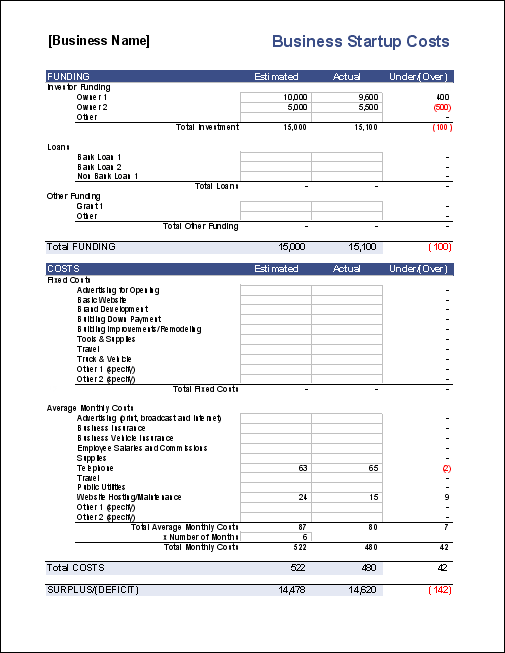
Free tools like spreadsheets or basic templates are great when you’re starting. They’re flexible and cost nothing, but they rely heavily on manual input and consistency.
Paid quoting software automates calculations, stores client data, and integrates with invoicing and accounting tools. This reduces errors and saves time as you scale.
Popular Tool Categories
Quote and proposal software often includes:
- Customizable templates
- Automatic tax calculations
- Digital acceptance and signatures
- Integration with invoicing and payments
The right choice depends on volume and complexity. A solo freelancer may be fine with templates, while a growing agency benefits from automation.
Expert Recommendation
Start simple. Use templates until quoting becomes time-consuming or error-prone. Then upgrade. Tools should support your workflow, not complicate it.
Common Small Business Quote Mistakes—and How to Fix Them
Mistake 1: Underquoting to Win Work
This often comes from insecurity or lack of data. Track your time and expenses. Use past projects to inform future quotes.
Mistake 2: Being Vague
Vague quotes invite scope creep. Fix this by listing deliverables clearly and defining boundaries.
Mistake 3: Forgetting Terms and Conditions
Payment delays and disputes often come from missing terms. Always include payment timelines, late fees, and change policies.
Mistake 4: Not Reviewing Before Sending
Typos, math errors, or unclear language hurt credibility. Always review—or have someone else review—important quotes.
Mistake 5: Treating Quotes as Final, Not Flexible
Quotes can be negotiated. Build in room for discussion while protecting your bottom line.



How Small Business Quotes Impact SEO, Sales, and Brand Perception
Many businesses don’t realize that small business quotes also play a role in marketing and SEO. Pricing pages, quote request forms, and service descriptions influence how customers perceive value before they ever contact you.
Clear language around pricing builds trust online just like it does offline. When customers understand what affects a quote, they’re more qualified when they reach out. That leads to higher conversion rates and fewer wasted conversations.
From a brand perspective, consistent quoting reinforces your positioning. Premium brands quote differently than budget brands—and that’s okay. The key is alignment.
Conclusion: Mastering Small Business Quotes Is a Growth Skill
Small business quotes aren’t glamorous. They don’t go viral. But they quietly shape your income, reputation, and stress levels every single week.
When you approach quotes with clarity, confidence, and structure, everything else gets easier. Clients respect you more. Projects run smoother. Decisions feel less emotional and more strategic.
Treat your quotes like a skill worth mastering—not a chore to rush through. The payoff shows up in better clients, better margins, and a business that actually supports your life.
If you haven’t reviewed your quoting process lately, this is your sign. Start small. Improve one thing. And build from there.
FAQs
A small business quote is a formal estimate outlining the cost, scope, and terms of a product or service before work begins.
Quotes are generally not legally binding unless accepted and combined with terms or a contract. Once accepted, they often become enforceable.
Most small business quotes are valid for 15–30 days, depending on market conditions and cost stability.
Yes. Clearly state whether prices include or exclude taxes to avoid confusion later.
Detailed enough to prevent misunderstandings. List deliverables, timelines, and exclusions clearly.
Introduction
Have you ever looked at a requirement, a contract, a course outline, or a job description and thought, “Wait… how long is 2000 hours, really?” On paper, 2000 hours sounds abstract—just a number. But in real life, it can mean months of work, years of part-time effort, or a major personal milestone depending on how those hours are spent.
This question comes up more often than people realize. Freelancers see it in client retainers. Students encounter it in certification programs. Employees hear it when discussing annual workloads or productivity targets. Entrepreneurs think about it when planning mastery, skill-building, or business growth. And creators—writers, designers, developers—often wonder how much progress 2000 hours can truly buy them.
In this guide, we’ll break down how long 2000 hours really is in a way that actually makes sense. Not just in days or weeks—but in real-world terms you can visualize, plan around, and act on. You’ll learn how 2000 hours translates across different schedules, what you can realistically achieve in that time, common mistakes people make when estimating hours, and how to use those hours intentionally instead of letting them disappear.
By the end, you won’t just know the math. You’ll understand the meaning of 2000 hours—and how to use that knowledge to your advantage.
Topic Explanation: What Does “2000 Hours” Actually Mean?
At its core, 2000 hours is a unit of time. But time only becomes meaningful when you anchor it to daily life. Saying “2000 hours” without context is like saying “500 miles” without knowing whether you’re walking, driving, or flying.
Let’s start with the simplest breakdown.
There are:
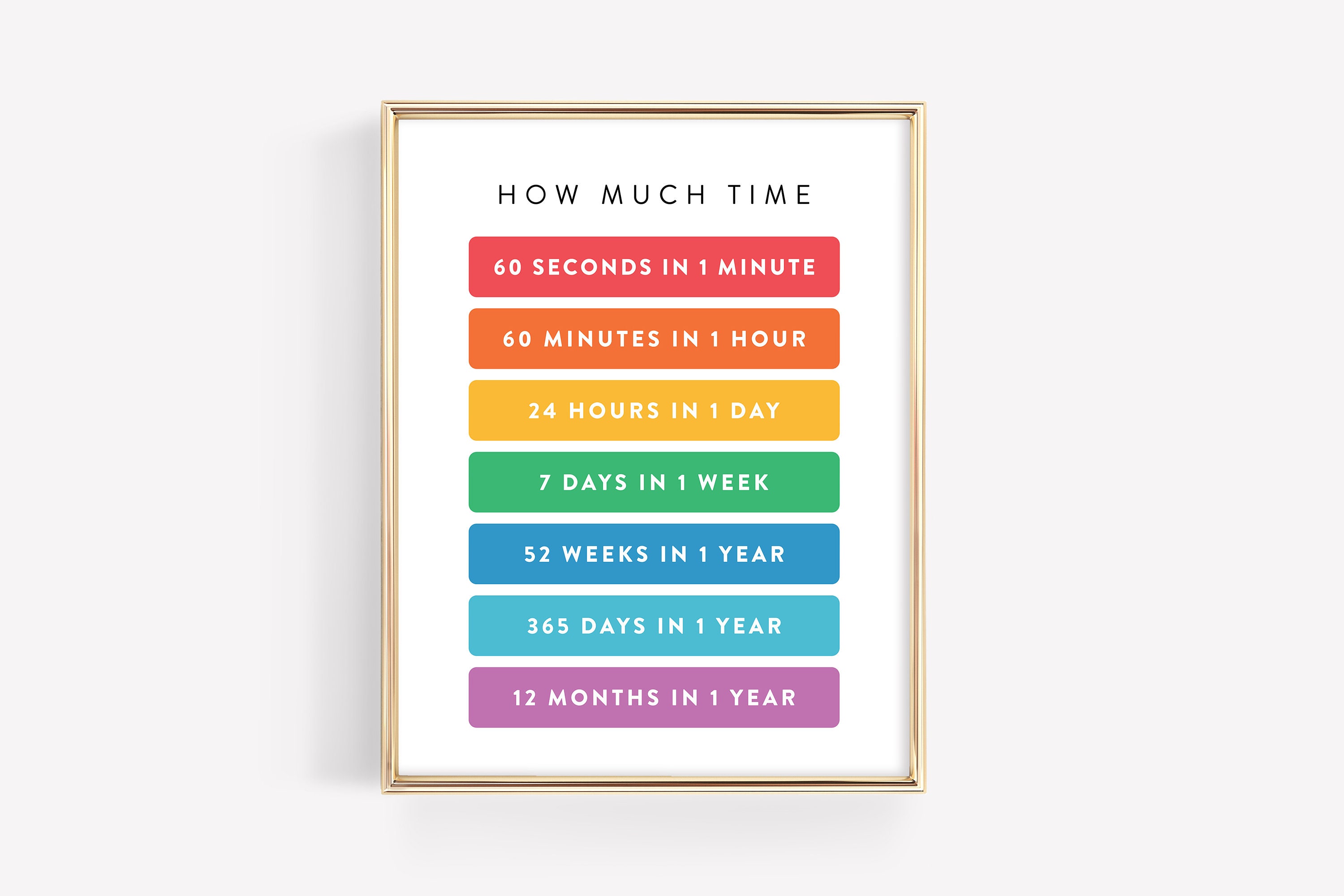
- 24 hours in a day
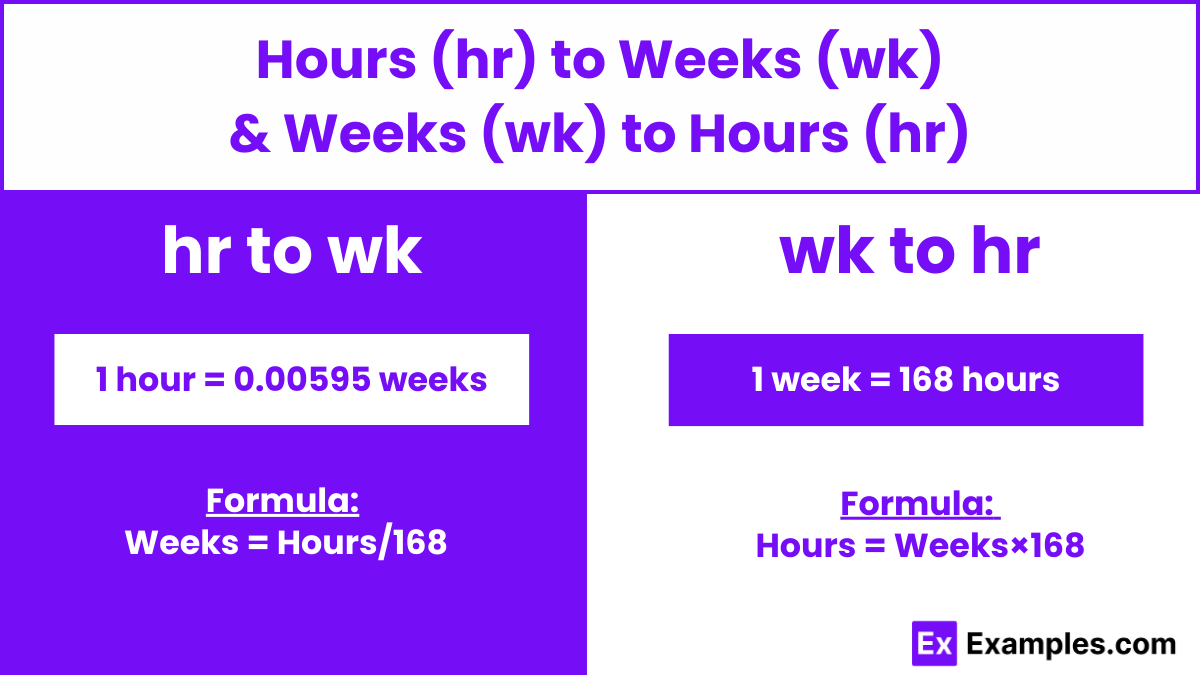
- 168 hours in a week
- About 730 hours in a month
- 8,760 hours in a year
So mathematically:
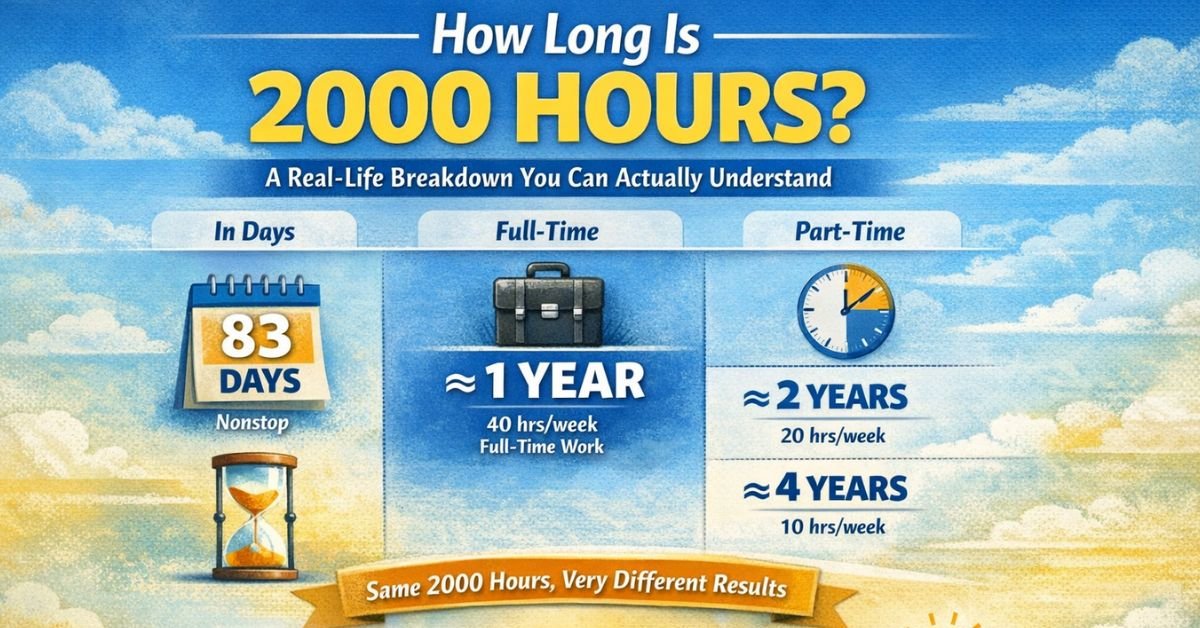
- 2000 hours ≈ 83.3 days (if you did nothing else but that task)
- 2000 hours ≈ 28.5 weeks of full-time work (at 70 hours/week—not realistic)
- 2000 hours ≈ 50 weeks of standard full-time work (at 40 hours/week)
But here’s the key insight most people miss: almost nobody experiences time in raw, uninterrupted blocks. We experience it through routines—workdays, weekends, evenings, study sessions, and projects squeezed between responsibilities.
That’s why 2000 hours can feel wildly different depending on how they’re structured.
For example:
- A full-time employee often works close to 2000 hours per year
- A part-time learner might take 2–3 years to reach 2000 hours
- A hobbyist working an hour a day could need over 5 years
Same number. Completely different lived experience.
Think of 2000 hours like a budget. You can spend it quickly with intensity, or slowly with consistency. Neither is “better”—but they lead to very different outcomes.
How Long Is 2000 Hours in Real-Life Schedules?
This is where things get practical. Let’s translate 2000 hours into schedules that people actually live with.
2000 Hours at Full-Time Pace
If you work 40 hours per week, which is the standard full-time schedule in many countries:
- 40 hours/week × 50 weeks = 2000 hours
- That’s roughly one full working year
This is why many people associate 2000 hours with “a year of work.” But even here, it’s not exact. Paid time off, holidays, sick days, and downtime usually reduce actual productive hours. In reality, many full-time workers log 1,700–1,900 true working hours per year.
So if something truly requires 2000 focused hours, it may take slightly more than a calendar year.
2000 Hours at Part-Time Pace
Let’s say you dedicate 20 hours per week:
- 20 hours/week → 100 weeks
- That’s nearly 2 years
At 10 hours per week:
- 200 weeks
- Almost 4 years
At 5 hours per week:
- 400 weeks
- Around 7.5 years
This is why big goals feel “never-ending” when tackled casually. The hours add up, but slowly.
2000 Hours at Daily Pace
Some people prefer thinking in days rather than weeks.
- 1 hour/day → 2000 days (about 5.5 years)
- 2 hours/day → 1000 days (about 2.7 years)
- 4 hours/day → 500 days (about 1.4 years)
Suddenly, the time horizon becomes very real.

Benefits & Use Cases: Why Understanding 2000 Hours Matters
You might wonder, “Okay, I know how long it is—but why does this matter?” The answer is simple: misjudging time is one of the biggest reasons people quit halfway.
When you understand what 2000 hours really looks like, you gain clarity, patience, and control.
Career & Work Planning
Many job roles quietly assume around 2000 working hours per year. Understanding this helps you:
- Negotiate realistic workloads
- Spot burnout risks early
- Compare freelance contracts fairly
- Evaluate productivity expectations
If a client expects a massive project done “in a few months,” knowing the hour math lets you push back with confidence instead of guesswork.
Skill Building & Mastery
There’s a popular idea that mastery takes thousands of hours. While that number varies, 2000 hours is often enough to reach strong professional competence in many skills:
- Writing
- Design
- Coding
- Marketing
- Language learning
Understanding the timeline keeps you motivated. Instead of feeling “bad” for not being great after six months, you realize you’re simply early in the process.
Education & Certification
Many certifications, apprenticeships, and training programs define requirements in hours. When you know what 2000 hours means practically, you can:
- Plan study schedules realistically
- Avoid last-minute panic
- Balance learning with life responsibilities
Personal Projects & Life Goals
Whether it’s writing a book, building a business, or learning an instrument, 2000 hours is a powerful planning benchmark. It turns vague dreams into measurable action.
Step-by-Step Guide: How to Plan and Use 2000 Hours Effectively
Knowing how long 2000 hours is matters—but using those hours wisely matters more. Here’s a structured, real-world approach.
Step 1: Define the Outcome, Not Just the Time
Don’t start with “I’ll spend 2000 hours.”
Start with “What do I want to be able to do after those 2000 hours?”
Be specific:
- “Write publishable long-form articles consistently”
- “Build client-ready web applications”
- “Reach conversational fluency in a language”
Clear outcomes prevent wasted effort.
Step 2: Choose a Sustainable Weekly Commitment
Consistency beats intensity almost every time.
Ask yourself:
- How many hours per week can I realistically commit?
- Not on your best week—but your average one
For most adults:
- 5–10 hours/week is realistic long-term
- 15–20 hours/week is ambitious but doable
- 30+ hours/week requires major life restructuring
Step 3: Break 2000 Hours Into Milestones
2000 hours feels overwhelming. Milestones make it manageable.
Example:
- 0–250 hours: Beginner phase
- 250–750 hours: Foundations & confidence
- 750–1500 hours: Competence & consistency
- 1500–2000 hours: Refinement & mastery
Each phase should have different expectations and goals.
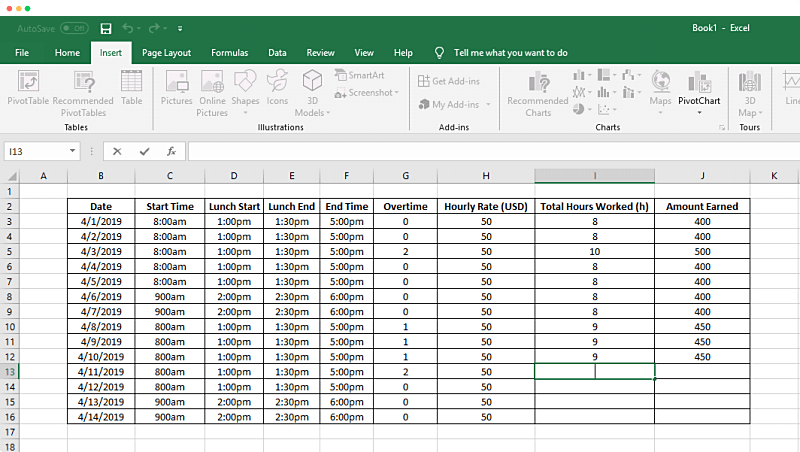
Step 4: Track Time (Lightly, Not Obsessively)
You don’t need complex tools. A simple spreadsheet or timer works.
Track:
- Hours spent
- Type of work
- Energy levels
This helps you spot patterns and adjust.
Step 5: Review Every 100–200 Hours
Every few months, pause and ask:
- Am I improving?
- Am I enjoying this?
- Should I adjust my approach?
Reflection turns time into progress.

Tools, Comparisons & Recommendations
While 2000 hours is ultimately about discipline, the right tools can multiply the value of each hour.
Time Tracking Tools
Free options:
- Simple spreadsheets
- Basic timer apps
Paid options:
- Dedicated time trackers with reports
- Project-based tracking tools
Free tools are usually enough unless you’re billing clients or managing teams.
Learning & Skill Tools
Free resources:
- Open courses
- Practice communities
- Documentation and tutorials
Paid resources:
- Structured courses
- Mentorship programs
- Premium learning platforms
The difference isn’t always quality—it’s structure and accountability.
Free vs Paid: Honest Comparison
Free tools:
- Pros: Accessible, flexible, low pressure
- Cons: Easy to drift, less structure
Paid tools:
- Pros: Clear paths, motivation through investment
- Cons: Cost, sometimes unnecessary for beginners
Expert tip: Start free, go paid once you’re consistent.
Common Mistakes & How to Fix Them
Even motivated people waste hundreds of hours unknowingly. Here are the most common traps.
Mistake 1: Overestimating Daily Capacity
People assume they can do 3–4 hours daily forever. Life disagrees.
Fix:
- Plan for your worst normal week, not your best one.
Mistake 2: Confusing Time Spent With Progress
Not all hours are equal. Passive time feels productive but isn’t.
Fix:
- Focus on deliberate practice and feedback.
Mistake 3: Quitting Too Early
Many people quit at 300–500 hours—right before things click.
Fix:
- Expect frustration as a sign of progress, not failure.
Mistake 4: No Clear Direction
Random effort leads to random results.
Fix:
- Revisit your outcome every 100–200 hours.
Conclusion
So, how long is 2000 hours?
It’s:
- About one year of full-time work
- Or two years of serious part-time effort
- Or several years of steady, consistent progress
But more importantly, it’s enough time to change your professional identity, build a valuable skill, or create something meaningful—if you use it intentionally.
Time will pass anyway. The difference is whether those 2000 hours disappear quietly… or turn into something you’re proud of.
If you take one thing from this guide, let it be this: clarity turns time into power.
FAQs
2000 hours equals about 83 days if done nonstop, but far longer when spread realistically.
At 40 hours per week, it’s roughly 50 weeks, or about one working year.
Yes. For many skills, 2000 focused hours can take you from beginner to strong professional competence.
At 10 hours per week, it takes about 4 years. At 20 hours per week, about 2 years.
Use simple time tracking, review progress regularly, and focus on quality—not just quantity.
-

 TECHNOLOGY4 months ago
AVtub: The Rise of Avatar-Driven Content in the Digital Age
-

 BLOG7 months ago
Discovering The Calamariere: A Hidden Gem Of Coastal Cuisine
-

 HEALTH8 months ago
Children’s Flonase Sensimist Allergy Relief: Review
-

 BLOG8 months ago
Warmables Keep Your Lunch Warm ~ Lunch Box Kit Review {Back To School Guide}
-

 HEALTH8 months ago
Turkey Neck Fixes That Don’t Need Surgery
-

 TECHNOLOGY7 months ago
How to Build a Mobile App with Garage2Global: From Idea to Launch in 2025
-

 EDUCATION4 months ago
HCOOCH CH2 H2O: Structure, Properties, Applications, and Safety of Hydroxyethyl Formate
-

 HEALTH8 months ago
Masago: The Tiny Sushi Topping with Big Health Benefits