
FASHION
House Party Outfits: How to Dress Smart, Feel Comfortable, and Truly Enjoy the Party

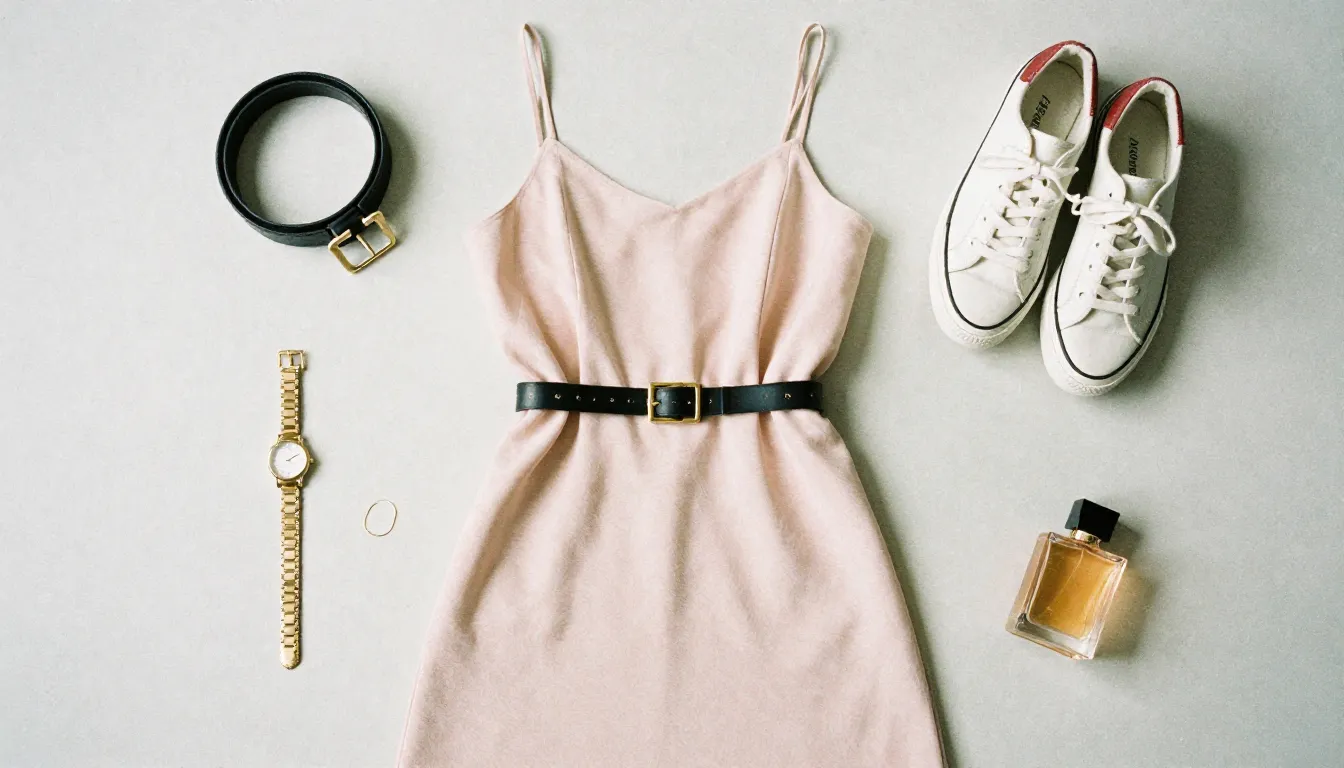
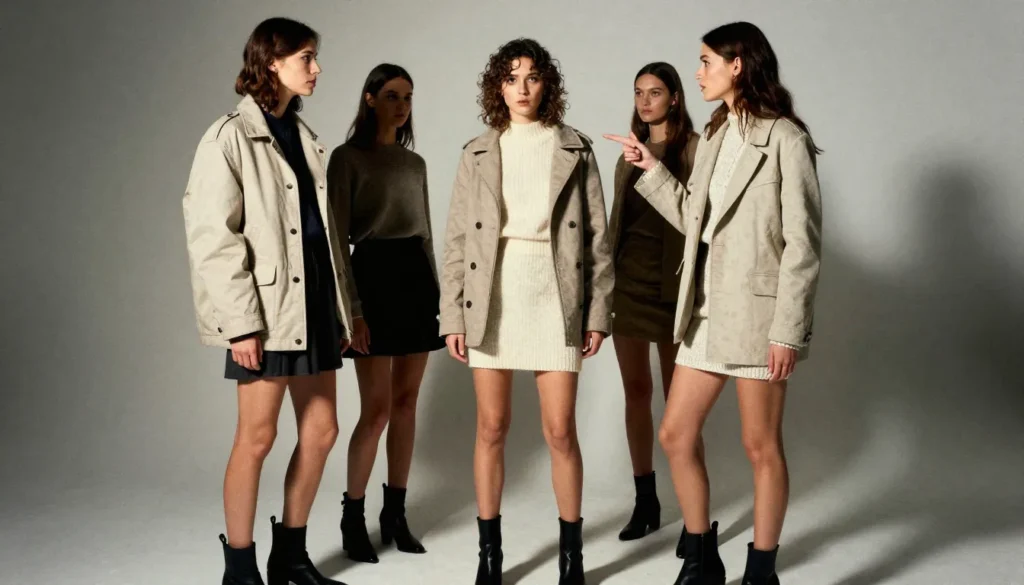
It’s funny how a house party something that sounds so relaxed can create so much wardrobe stress. You’re not going to a fancy venue, so dressing up feels unnecessary. But you’re also not staying in, so wearing “whatever” doesn’t feel right either. Standing in front of your closet, you’re left trying to answer a surprisingly difficult question: What actually works for a house party?
House party outfits live in that middle ground where comfort meets effort. They need to look intentional without being stiff, stylish without being loud, and relaxed without being sloppy. This article is designed to help you understand that balance in a practical, real-world way. Instead of trends or rigid rules, you’ll find guidance that works for real homes, real bodies, and real social situations—so you can stop overthinking and start enjoying the party.
Why House Party Outfits Feel So Confusing
House parties don’t come with clear fashion signals. At a wedding or a club, expectations are obvious. At a house party, you’re stepping into someone’s personal space, where people will be sitting on sofas, leaning in kitchens, moving between rooms, and possibly dancing in tight spaces. Your outfit needs to function across all of that.
Another reason house party outfits feel tricky is social proximity. You’ll be talking to people up close, often for long stretches of time. When your clothes are uncomfortable, too tight, too hot, or constantly slipping, you become hyper-aware of them. The right outfit removes that distraction and lets you stay present.
Ultimately, house party outfits matter because they affect how relaxed and confident you feel. And confidence, especially in social settings, is everything.
Understanding the Vibe Before You Get Dressed
Before choosing an outfit, it’s important to understand the tone of the party. A quiet dinner party, a birthday celebration with music, and a casual get-together all call for slightly different approaches. Time of day matters too. Daytime house parties usually lean more casual, while evening gatherings invite more polish.
If you’re unsure, aim for smart-casual. It’s the safest and most versatile category for house party outfits. Smart-casual shows effort without feeling out of place in a home setting. It also gives you room to adjust adding or removing a layer can instantly shift the look.
Casual House Party Outfits That Still Look Put Together

Casual house party outfits are about ease, but ease doesn’t mean careless. The difference between looking relaxed and looking underdressed often comes down to fit and fabric.
For women, casual house party outfits often include jeans, relaxed trousers, or skirts paired with tops that have subtle details—interesting necklines, textures, or shapes. Knit tops, soft blouses, and fitted tees layered with a light jacket are reliable choices. For men, clean jeans or chinos paired with a fitted t-shirt, polo, or casual button-down create an effortless but intentional look.
What elevates casual outfits is attention to small details. Clean shoes, wrinkle-free clothes, and neat grooming can completely change how an outfit reads.
Dressier House Party Outfits Without Feeling Overdone
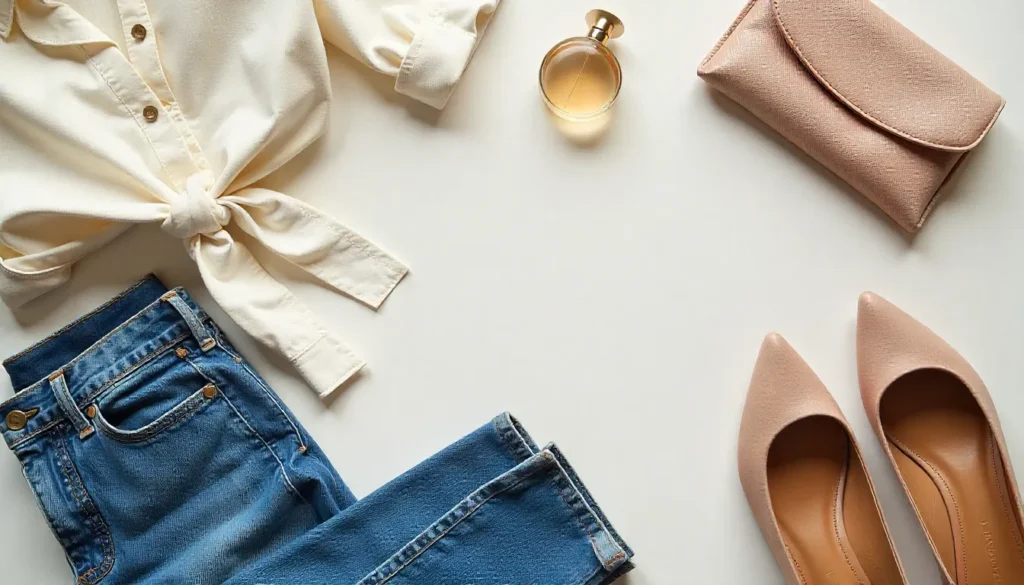
Some house parties especially evening ones call for outfits that feel more elevated. Dressy house party outfits aren’t about formality; they’re about refinement.
Women often choose dresses for house parties because they’re simple and stylish. Midi dresses, slip dresses, and soft knit dresses work particularly well because they’re comfortable and flattering. Men can elevate their look with darker denim, structured shirts, or layering pieces like lightweight blazers or overshirts.
Indoor lighting tends to flatter deeper tones and richer fabrics. Choosing quality fabrics and darker colors can instantly make an outfit feel more appropriate for an evening setting without making it feel heavy.
Seasonal House Party Outfits: Dressing for Comfort Year-Round
Seasonal awareness is essential when choosing house party outfits. Summer house parties can get warm quickly, especially in crowded rooms. Lightweight, breathable fabrics like cotton and linen help you stay comfortable. Flowy silhouettes and relaxed fits allow air to circulate and keep you feeling fresh.
Winter house parties introduce layering challenges. You want to stay warm outside but not overheat inside. Lightweight sweaters, removable jackets, and breathable base layers help strike that balance. Footwear should also reflect the season boots in winter, lighter shoes in summer while still working indoors.
Spring and autumn are the easiest seasons to style. Transitional layers like cardigans and light jackets let you adjust as temperatures change.
Building a House Party Outfit Step by Step
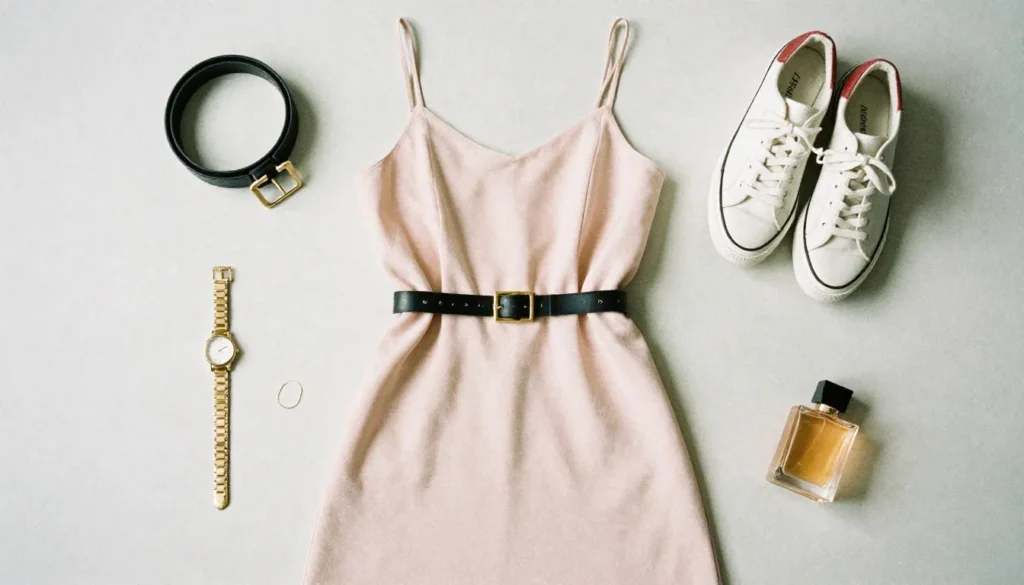
A great house party outfit starts with one anchor piece something you already feel confident in. This could be your favorite pair of jeans, a dress you always reach for, or a shirt that fits perfectly.
From there, build balance. Pair fitted pieces with relaxed ones so the outfit feels natural. Add a layer to complete the look, even if you don’t plan to wear it all night. Layers often make an outfit look more intentional.
Accessories should be minimal and purposeful. A watch, necklace, or belt should enhance the outfit without drawing too much attention. Before leaving, move around. Sit, stand, walk. If something feels uncomfortable at home, it won’t improve at the party.
Styling Tools and Essentials That Actually Help
You don’t need professional tools to style house party outfits, but a few essentials make a big difference. A full-length mirror helps you see proportions clearly. Good lighting ensures your outfit looks the way you expect indoors.
A steamer or iron is crucial wrinkled clothes can ruin even the best outfit. Grooming tools like lint rollers, shoe wipes, and subtle fragrance add a polished finish that people notice subconsciously.
Common House Party Outfit Mistakes to Avoid
One of the most common mistakes is trying too hard. House parties are relaxed, and overly dramatic outfits can feel uncomfortable or out of place. Style should feel effortless.
Another mistake is ignoring footwear. Shoes matter, even indoors. Worn-out or inappropriate shoes can undo an otherwise great outfit. It’s also wise to avoid outfits that need constant adjusting. If you’re tugging at fabric or worrying about movement all night, you’re not enjoying yourself.
Real-Life Outfit Inspiration and Brand Choices
Many people rely on accessible brands like Zara and H&M for trendy house party pieces, while Uniqlo is known for clean, well-fitted basics that work across many settings. For elevated essentials and timeless styles, Everlane and COS are often preferred.
In real-world settings, the most stylish person at a house party is rarely the most dressed-up. It’s usually the person who looks comfortable, confident, and at ease in their outfit.
Dressing for Different Personal Styles
House party outfits should always reflect your personal style. Minimalists often gravitate toward neutral colors, clean lines, and quality fabrics. Those who enjoy bold fashion can experiment with color, texture, or statement pieces in a relaxed environment.
Sporty styles translate well through tailored joggers, clean sneakers, and structured tops. Romantic styles shine through soft fabrics, flowy silhouettes, and delicate details. There’s no universal formula—authenticity always looks best.
The Confidence Connection
The right house party outfit does more than look good it changes how you feel. When you’re comfortable and confident, it shows in your posture, your energy, and your conversations. Confidence comes from feeling like yourself, not from wearing the trendiest item in the room.
When your outfit feels natural, you stop thinking about it. That’s when you truly enjoy the party.
Conclusion:
House party outfits don’t need to be complicated or stressful. They need to be thoughtful, comfortable, and true to who you are. When you focus on fit, fabric, and feeling rather than trends, dressing becomes easier and more enjoyable.
The best house party outfits support your experience instead of distracting from it. They let you move freely, feel confident, and stay present with the people around you. The next time you’re invited to a house party, trust your instincts, dress with intention, and remember that great style is about connection, not perfection.
FAQs
What should I wear to a house party if there’s no dress code?
Smart-casual is usually the safest option. Well-fitted jeans or trousers paired with a polished top or shirt work in most situations.
Are jeans appropriate for house parties?
Yes, jeans are one of the most versatile house party options. Choose a good fit and style them intentionally.
Can I wear a dress to a house party?
Absolutely. Comfortable, simple dresses are ideal for house parties. Avoid overly formal or restrictive styles.
What shoes are best for house parties?
Clean sneakers, loafers, flats, ankle boots, or low heels are all suitable. Comfort matters since you’ll likely be standing and moving around.
Is it okay to repeat outfits at house parties?
Yes, repeating outfits is completely normal. Styling the same pieces differently can make them feel new.
How can I make a simple outfit look more party-ready?
Pay attention to details. Wrinkle-free clothes, clean shoes, good grooming, and subtle accessories can instantly elevate a simple outfit.
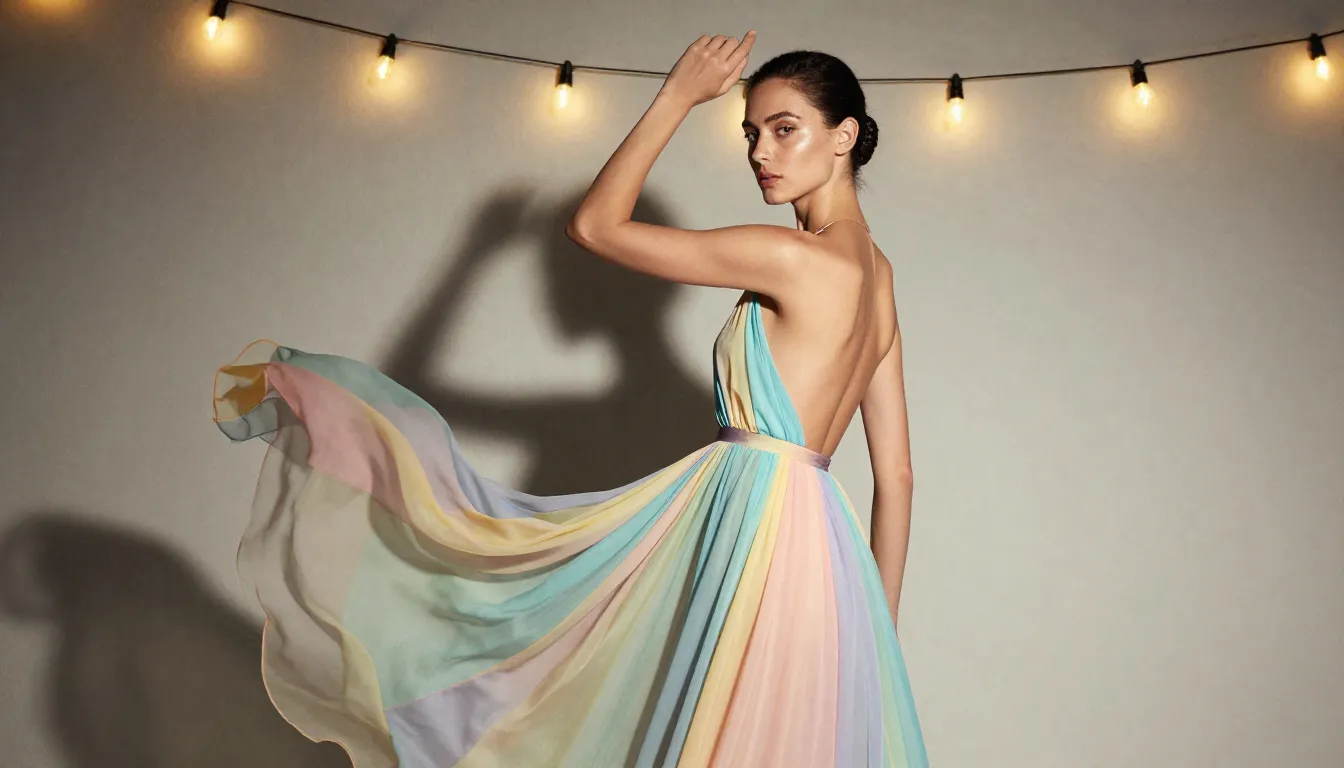
The moment a gala invitation arrives, it feels special. There’s a sense that this night will be different from the usual dinners or parties on your calendar. A gala suggests elegance, intention, and a certain level of ceremony. But once the excitement settles, a familiar thought usually follows: What do I wear to a gala so I look appropriate, stylish, and confident without overthinking it or feeling out of place?
That question is far more common than people admit. Galas sit at the intersection of fashion, etiquette, and personal comfort, which is why they can feel intimidating. Unlike casual or even semi-formal events, gala attire comes with expectations. The good news is that those expectations are not as complicated as they seem. When you understand the structure behind gala dressing, it becomes surprisingly manageable and even enjoyable.
This article is written for real people attending real galas. Not red-carpet fantasy, not fashion-week extremes, but practical, elegant guidance you can actually use. By the end, you’ll know how to interpret dress codes, choose outfits that flatter your body and lifestyle, avoid common mistakes, and walk into your next gala feeling calm, prepared, and polished.
What Defines a Gala (and Why Clothing Matters So Much)
A gala is typically a formal event tied to a cause, an institution, or a significant celebration. Charity fundraisers, museum benefits, corporate award nights, cultural celebrations, and nonprofit dinners all fall into this category. Some are grand and historic, others modern and understated, but all galas share one defining trait: they are intentional events.
The dress code exists to support that intention. When guests dress to a similar level of formality, the event feels cohesive and elevated. Your outfit isn’t just about personal style—it contributes to the atmosphere the hosts worked hard to create. That’s why dressing appropriately matters. It’s a sign of respect, awareness, and participation.
Even high-profile events like the Met Gala, while extreme in execution, reinforce this idea. The clothing becomes part of the storytelling of the evening. Your gala may be far more understated, but the principle remains the same.
How to Decode Gala Dress Codes Without Feeling Overwhelmed
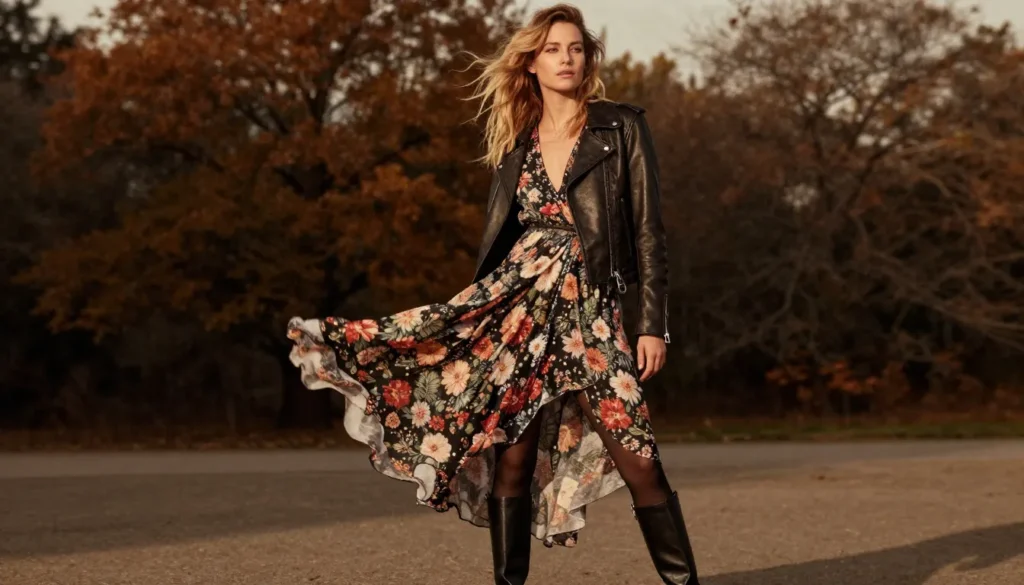
Dress codes are meant to guide you, not confuse you. Once you understand the intent behind the words, outfit choices become much easier.
Black tie is the most common gala dress code. For women, this traditionally means a floor-length evening gown made from a formal fabric such as silk, satin, velvet, chiffon, or crepe. While modern fashion allows some flexibility, a long gown is still the most reliable option. For men, black tie means a tuxedo with a formal shirt and bow tie. It’s classic because it works.
Black tie optional offers a bit more freedom. Women can choose between a gown and a very refined cocktail or midi dress that clearly reads as eveningwear. Men may wear a tuxedo or a dark, well-tailored suit. This dress code is popular for charity galas and corporate fundraisers where elegance is expected but accessibility matters.
Creative black tie encourages individuality while maintaining a formal base. This is where you’ll see bold colors, textured fabrics, dramatic silhouettes, and statement accessories. These galas are often tied to the arts, fashion, or themed events. Creativity is welcome, but formality should still anchor the look.
White tie is the rarest and most formal dress code. It’s reserved for state dinners, royal occasions, and ultra-prestigious events. For women, white tie means a full ball gown, often paired with opera gloves and fine jewelry. For men, it requires a tailcoat, white waistcoat, and white bow tie. If you ever see white tie on an invitation, tradition takes priority over interpretation.
Choosing an Outfit That Works for Your Body and Your Reality
One of the biggest myths about gala dressing is that there’s one “right” look. In reality, there are many ways to look appropriate and elegant, as long as your outfit aligns with the dress code and fits well.
Silhouette plays a huge role in comfort and confidence. A-line gowns are a favorite because they define the waist and flow over the body, making them flattering and forgiving. Column or sheath dresses create a sleek, modern line and suit minimalist styles. Ball gowns are dramatic and memorable, ideal for very formal galas where grandeur is expected. Mermaid and trumpet silhouettes hug the body and flare at the hem, offering a glamorous, red-carpet-inspired feel.
Fabric is what truly separates formalwear from everyday dresses. Eveningwear relies on luxurious materials. Silk and satin catch the light beautifully. Velvet adds richness and depth, especially for fall and winter galas. Chiffon and organza feel light and romantic, perfect for warmer seasons. Casual fabrics like cotton, linen, or jersey even in elegant cuts rarely feel appropriate at a gala.
Color also affects how formal an outfit feels. Black is timeless and always acceptable. Jewel tones such as emerald, sapphire, burgundy, and amethyst look rich under evening lighting. Metallics add celebration and drama. Pastels can work for daytime or summer galas when styled with polish and restraint.
Modern Alternatives to the Traditional Gala Gown
While floor-length gowns remain the classic choice, modern gala fashion allows for elegant alternatives—particularly for black tie optional and creative black tie events.
Formal evening jumpsuits have become increasingly popular. The key is choosing one with wide legs, a structured bodice, and a luxurious fabric. When styled with elegant heels and refined accessories, a jumpsuit can feel just as formal as a gown while offering comfort and a contemporary edge.
Tailored tuxedo suits for women are another strong option. Inspired by designers like Yves Saint Laurent, the women’s tuxedo blends sharp tailoring with femininity. Fit is essential here. A well-tailored jacket and precisely hemmed trousers make the difference between looking formal and looking casual.
Accessories: Where Gala Looks Are Won or Lost
Accessories complete the outfit, but restraint is key.
Evening bags should be small and intentional. A clutch or minaudière in satin, velvet, metal, or crystal is ideal. It should hold only essentials, which helps maintain a refined silhouette.
Shoes matter both stylistically and practically. Heels are traditional because they improve posture and how gowns fall, but comfort should never be ignored. A lower heel or block heel can be just as elegant if it allows you to move comfortably. Embellished flats can work when heels aren’t an option, but they should clearly read as eveningwear.
Jewelry should complement your outfit, not compete with it. If your dress has a dramatic neckline or embellishment, simpler jewelry often looks best. If your outfit is minimalist, statement earrings or a bold necklace can elevate it. Fine jewelry is ideal, but high-quality costume pieces can look equally stunning.
Outerwear is often overlooked but important. A tailored coat, elegant wrap, cape, or faux fur stole keeps you warm without undermining your outfit. Casual jackets can undo an otherwise polished look.
Hair and Makeup: Polished, Intentional, and Long-Lasting
Gala beauty should look deliberate rather than rushed. Hairstyles such as low chignons, classic updos, or polished waves pair beautifully with formalwear. Even sleek ponytails can work when styled with precision.
Makeup is typically more dramatic than daytime looks, but balance matters. Choose one focal point—defined eyes or a bold lip and keep the rest refined. Long-wear formulas help ensure your look lasts through dinner, speeches, and dancing.
Seasonal and Venue Factors You Shouldn’t Ignore
Season influences both comfort and style. Winter galas allow for heavier fabrics, deeper colors, and long sleeves. Summer galas benefit from lighter materials, breathable silhouettes, and softer palettes.
Venue also matters. A historic ballroom often calls for classic elegance, while a modern art museum or rooftop space may welcome more contemporary styling. Let the setting guide your final choices while respecting the dress code.
Renting vs. Buying: A Smart, Flexible Strategy
Formalwear can be expensive, especially if you don’t attend galas often. This is why rental services like Rent the Runway have become so popular. Renting allows you to wear high-end pieces for a fraction of the cost, experiment with styles, and avoid storing outfits you may only wear once.
Buying makes sense if you attend formal events regularly or want a timeless piece you can rewear. A classic black gown or a tailored suit can serve you for years with thoughtful styling updates.
Common Gala Dressing Mistakes (and How to Avoid Them)
One of the most common mistakes is underdressing. A dress that works for a cocktail party may not be formal enough for a gala. Another frequent issue is poor fit. Even the most beautiful outfit will look off if it doesn’t fit properly, which is why tailoring is often worth the effort.
Over-accessorizing is another pitfall. When everything is a statement, nothing stands out. In formal settings, simplicity often reads as confidence.
Conclusion:
Understanding what to wear to a gala isn’t about memorizing fashion rules or chasing trends. It’s about making thoughtful choices that respect the event and support how you want to feel. When you choose quality fabrics, prioritize fit, and style with intention, your outfit becomes a source of confidence rather than stress.
A gala is meant to be enjoyed. When your clothing aligns with the occasion, you’re free to focus on the experience connecting with people, supporting a cause, and celebrating something meaningful. True elegance is simply confidence paired with care.
Frequently Asked Questions (FAQs)
Can I wear the same gala outfit more than once?
Yes. Rewearing formalwear is practical and stylish. Changing accessories, shoes, or hair and makeup can make the outfit feel new.
Is it acceptable to wear white to a gala?
In most cases, yes. Avoid white only if the gala is connected to a wedding or if the invitation specifies otherwise.
Are pants appropriate for a gala?
They can be, as long as they’re part of a formal outfit such as a tailored tuxedo suit or an evening jumpsuit made from luxurious fabric.
How far in advance should I plan my gala outfit?
Ideally two to four weeks. This allows time for shopping, rentals, alterations, and coordinating accessories.
Do I need designer brands to look elegant?
No. Fit, fabric, and styling matter far more than labels. Well-chosen high-street or rental pieces can look just as refined.
What matters most when deciding what to wear to a gala?
Appropriateness, comfort, and confidence. When those align, your outfit will always feel right.

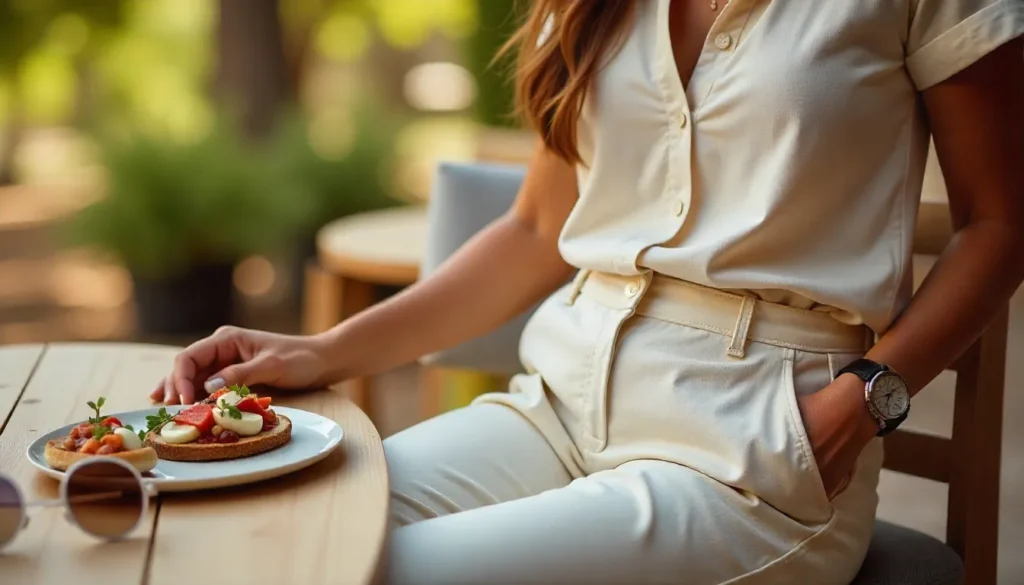
There’s a specific kind of frustration that comes with getting dressed when life feels full. You’re running late, your mind is already thinking about the day ahead, and suddenly the mirror becomes a source of doubt instead of reassurance. The clothes aren’t wrong, but they don’t feel right either. This moment is where outfit inspo quietly earns its value.
Outfit inspo isn’t reserved for fashion lovers or people with curated closets. It exists for people who want fewer decisions, less stress, and more confidence in everyday life. When inspiration is approached realistically, it becomes less about style performance and more about self-support.
This article explores outfit inspo as a practical, emotional, and long-term tool for dressing well without pressure, perfection, or constant shopping.
Why Outfit Inspo Matters on Ordinary Days
Most style advice focuses on special occasions, but the majority of life happens on ordinary days. Outfit inspo matters most when there’s nothing special planned and you still want to feel good. That’s when clothing shifts from decoration to function.
On regular days, inspiration helps you choose outfits that carry you through meetings, errands, and quiet moments without discomfort or self-consciousness. It helps you avoid the cycle of wearing something that looks fine but feels distracting all day.
This everyday focus is why so many people admire understated style icons like Katie Holmes. Her outfits often look simple, but they feel grounded in real life, not spectacle.
How Outfit Inspo Becomes Personal Instead of Performative
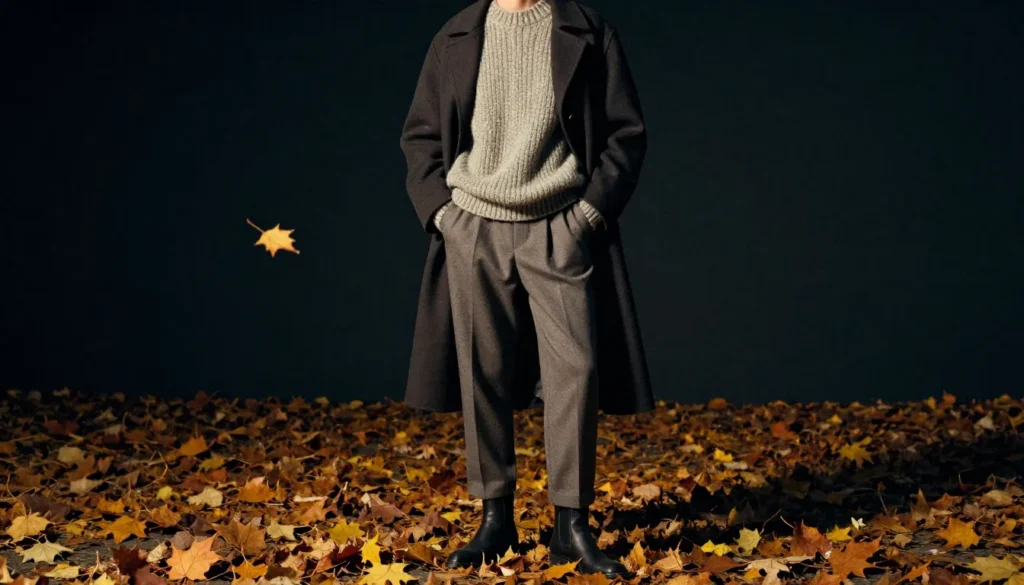
One reason outfit inspo can feel exhausting is because it’s often framed as something to achieve rather than something to explore. When inspiration becomes performative, it creates pressure to look a certain way instead of helping you feel at ease.
Personal outfit inspo grows through awareness. It’s noticing that you move more freely in certain fabrics or that you feel calmer in specific color palettes. These observations matter more than any trend.
Designers like Jil Sander built reputations on restraint and clarity, showing that style doesn’t need to shout to be powerful. That same principle applies to everyday dressing.
The Role of Outfit Inspo in Building Morning Confidence
Confidence doesn’t come from standing out; it comes from feeling settled. Outfit inspo helps you pre-decide what works so mornings feel easier. When you already know which outfits support you, there’s less second-guessing and fewer last-minute changes.
This is why many people slowly gravitate toward “safe” outfits they repeat often. Outfit inspo refines those choices rather than replacing them. It helps you understand why an outfit works so you can recreate that feeling intentionally.
Over time, this builds trust in your judgment, which is one of the most underrated elements of style.
Outfit Inspo and Emotional Dressing
Clothing is deeply emotional, even when we pretend it’s not. Some days call for structure, others for softness. Outfit inspo helps you respond to those emotional needs instead of ignoring them.
On days when you need grounding, inspiration might lean toward neutral colors and familiar silhouettes. On days when you need energy, inspiration might introduce color or contrast. Neither is better. Both are valid.
People often connect with the styling choices of Florence Pugh because her outfits reflect mood and personality rather than rules. That emotional honesty is what makes inspiration relatable.
Using Outfit Inspo to Reduce Decision Fatigue
One of the most practical benefits of outfit inspo is decision reduction. When you know what works, you stop wasting energy on uncertainty. This matters more than aesthetics, especially in busy lives.
Outfit inspo supports this by helping you identify reliable combinations. Once you’ve worn an outfit and felt good in it, that knowledge becomes part of your mental toolkit. Inspiration then expands those combinations gradually instead of overwhelming you.
This approach is far more sustainable than constantly chasing novelty.
Outfit Inspo Without the Need to Shop
One of the biggest myths around outfit inspo is that it requires buying new clothes. In reality, good inspiration often reduces shopping because it shifts focus from acquisition to utilization.
Seeing how others style basics differently can unlock new combinations in your own wardrobe. A jacket you only wore one way suddenly has multiple uses. Shoes you saved for “special occasions” become everyday staples.
Brands like Arket are often referenced in outfit inspo not because they encourage excess, but because their pieces integrate easily into many outfits.
Why Outfit Inspo Changes Over Time
Outfit inspo isn’t static. It evolves as you do. What inspired you five years ago may feel irrelevant today, and that’s not a failure. It’s growth.
As confidence increases, inspiration becomes quieter. You no longer need constant input. You recognize what aligns with you almost immediately and dismiss what doesn’t without guilt.
This evolution is a sign that inspiration has done its job.
When Outfit Inspo Stops Working
Sometimes outfit inspo stops resonating, and that can feel unsettling. Usually, it means your style is stabilizing. You’re no longer searching because you’ve found something that works.
At this stage, boredom is often mistaken for stagnation. In reality, it’s comfort. Small changes, like adjusting fit or texture, often bring freshness back without requiring a full reset.
Outfit inspo doesn’t disappear. It just becomes more selective.
Conclusion: Outfit Inspo as a Tool for Self-Support
Outfit inspo isn’t about impressing anyone or keeping up. It’s about creating a wardrobe that supports you emotionally, physically, and mentally.
When inspiration is used thoughtfully, it simplifies life. It reduces stress, builds confidence, and helps you move through the day feeling grounded.
The most powerful outfits aren’t the loudest or trendiest. They’re the ones that let you forget about your clothes and focus on living. That’s the quiet success of outfit inspo.
Frequently Asked Questions About Outfit Inspo
What is the real purpose of outfit inspo?
The real purpose of outfit inspo is to help people feel more confident and comfortable in their daily lives by making getting dressed easier and more intentional.
Can outfit inspo work if I don’t follow fashion trends?
Yes, outfit inspo works best when it’s separated from trends. It’s about fit, comfort, and self-awareness, not what’s popular.
Why do I keep wearing the same outfits even when I want change?
Repeating outfits usually means you’ve found what works. Outfit inspo helps you refine those choices rather than forcing unnecessary change.
Is outfit inspo helpful for busy lifestyles?
Outfit inspo is especially helpful for busy people because it reduces daily decisions and builds reliable outfit formulas.
Does outfit inspo require creativity?
Creativity helps, but it’s not required. Observation and repetition are often more important than imagination.
Can outfit inspo help me feel more put together without effort?
Yes, inspiration helps you pre-decide what works so effort decreases over time.
Why does outfit inspo sometimes make me feel overwhelmed?
Overwhelm usually comes from consuming too many sources at once. Narrowing focus restores clarity.
Is outfit inspo useful for all ages?
Outfit inspo adapts to every stage of life. It becomes more refined, not less relevant, with age.
How do I know when outfit inspo is working?
You’ll spend less time deciding what to wear and feel more comfortable throughout the day.
Is outfit inspo about style or confidence?
At its core, outfit inspo is about confidence. Style is simply the expression of that confidence.
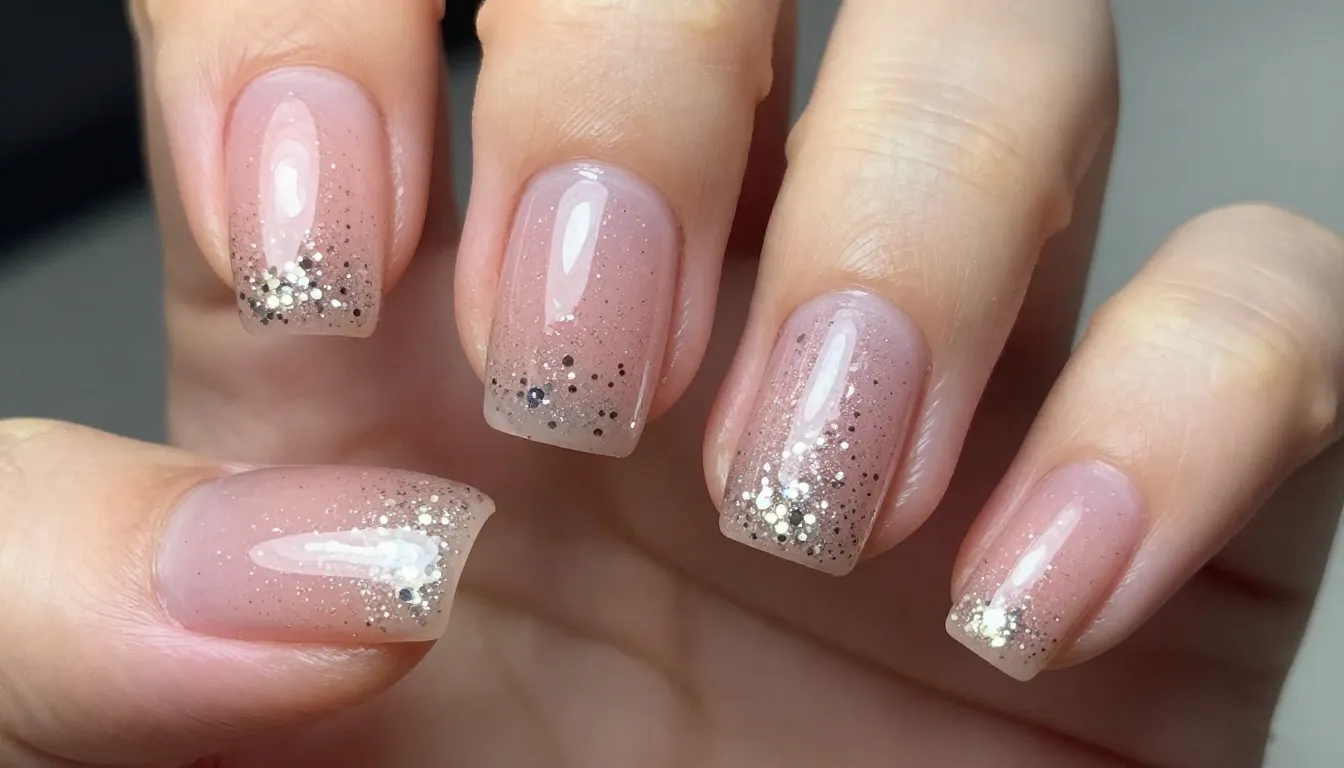
There’s a subtle moment that happens at the turn of the year that many people don’t talk about. It’s not the countdown or the fireworks. It’s the quiet glance at your hands sometime after midnight maybe while holding a glass, replying to messages, or simply sitting with your thoughts. In that moment, New Years nails stop being “just nails” and become something more personal. They reflect how prepared, calm, or hopeful you feel stepping into what’s next.
I once welcomed the new year without a plan, without resolutions, and without certainty. But my nails were freshly done clean, simple, intentional. And oddly enough, that small detail gave me a sense of stability during a time that felt open and undefined. That’s when I realized New Years nails aren’t about trends or social media. They’re about grounding yourself during transition.
This article takes a human, experience-based look at New Years nails. We’ll explore why they matter emotionally, how to choose styles that actually fit your life, how to approach DIY or salon manicures realistically, and how to avoid the common mistakes that turn a relaxing ritual into a stressful task. The goal isn’t perfection. It’s alignment between how your nails look and how you want to feel moving forward.
Why New Years Nails Feel Different From Any Other Manicure
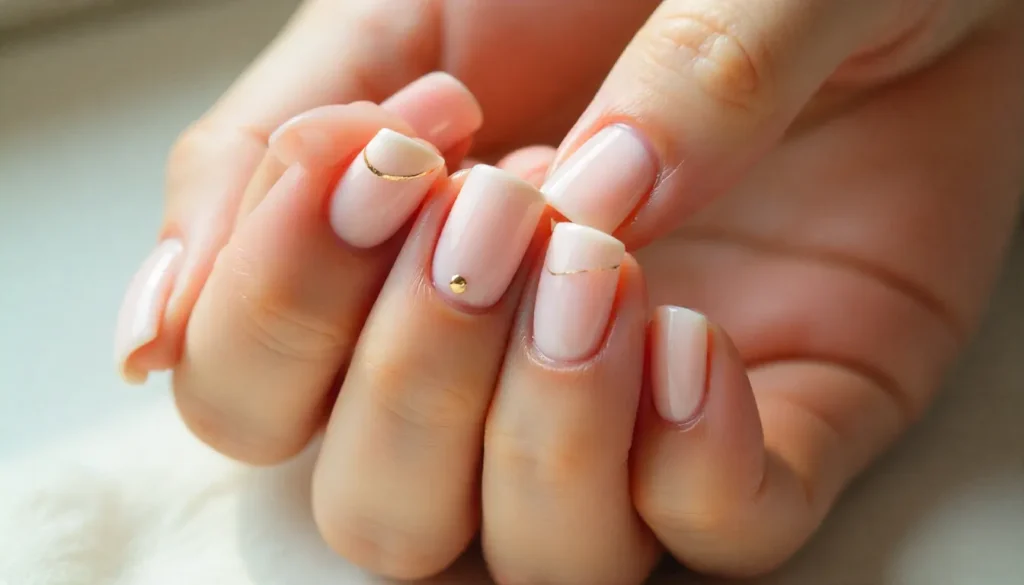
Technically, New Years nails are no different from any other manicure. But emotionally and psychologically, they carry more weight. They sit at the intersection of reflection and anticipation. One year ends, another begins, and people naturally look for small ways to mark that shift.
Unlike everyday nail maintenance, New Years nails are chosen deliberately. The color, finish, and even timing often involve more thought. Many people schedule them in advance or treat the process as a ritual rather than a chore.
Another reason they feel different is expectation. New Years nails are often meant to last through celebrations, photos, travel, and the first workdays of January. That longevity requirement changes how people approach preparation and product choice.
The Emotional Role of New Years Nails
Beauty rituals play a deeper role in our lives than we often admit. During moments of change, small acts of self-care help us feel anchored. The New Year is full of possibility, but it can also be overwhelming. Expectations rise, comparisons increase, and pressure quietly builds.
New Years nails offer a sense of control during that uncertainty. They’re something you can plan, complete, and enjoy. The result is visible, tangible, and personal.
There’s also confidence involved. When your nails are neat and intentional, you tend to gesture more freely, feel more put together, and move through social situations with ease. That confidence, even if subtle, can set the tone for the days that follow.
Common Themes in New Years Nails (That Go Beyond Trends)
Every year introduces new nail trends, but New Years nails consistently return to a few familiar themes because they align naturally with celebration and renewal.
Shimmer and reflective finishes are popular because they mirror light, movement, and festivity. This doesn’t always mean heavy glitter. Many people prefer fine shimmer, soft metallics, or reflective top coats that feel elegant rather than loud.
Dark, rich colors also dominate New Years nails. Shades like black, deep green, navy, and burgundy feel grounding and polished. They work well with winter clothing and create contrast that feels intentional.
Minimalist designs have grown increasingly popular. Neutral bases, clean shapes, and subtle details appeal to people who want their nails to transition smoothly into everyday life after the holidays.
What all these styles share is restraint. Even bold New Years nails tend to have a clear focus rather than excessive decoration.
Choosing New Years Nails That Fit Your Actual Lifestyle
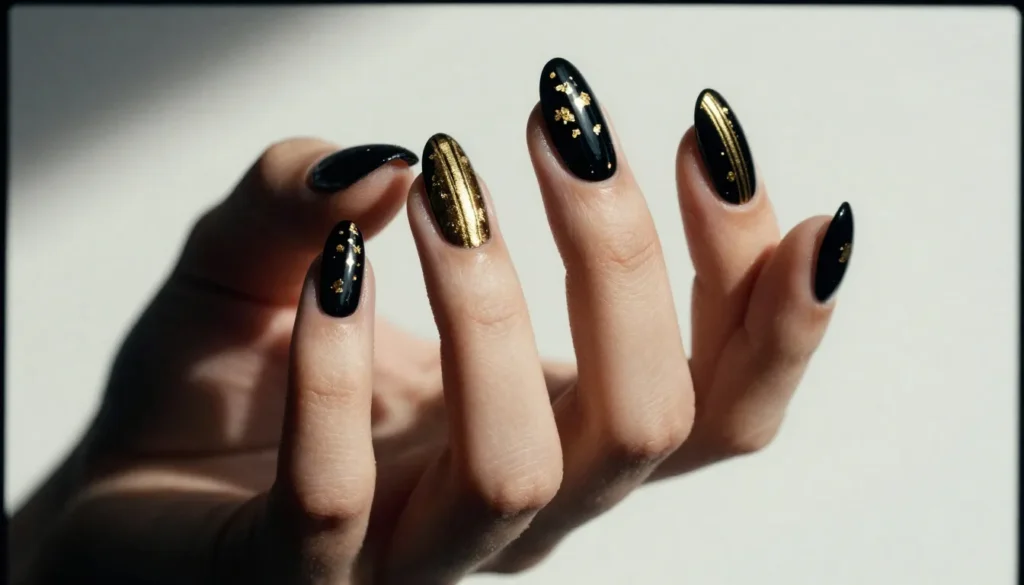
One of the most important and often ignored steps is choosing nails that suit your real life, not just inspiration images.
If your New Year involves parties, late nights, or formal events, richer colors and high-shine finishes may feel appropriate. These styles catch the light and complement evening settings.
If your plans are quieter staying in, cooking, spending time with family softer designs may feel more comfortable. Neutral tones, subtle shimmer, or glossy finishes often align better with a relaxed environment.
Work considerations matter too. If you’re returning to a professional setting immediately after the holidays, overly dramatic designs may feel out of place. Clean shapes with understated details often strike the right balance.
Length is another practical factor. Long nails can look stunning but may interfere with daily tasks. Shorter nails, when shaped well and polished neatly, can feel just as refined.
A Realistic Approach to DIY New Years Nails
Doing your New Years nails at home can be a calming ritual if you approach it with the right mindset. The key is not complexity, but preparation.
Start by removing old polish completely and shaping your nails evenly. Consistent shape alone can make a simple manicure look intentional. Cuticle care should be gentle—soften and push back rather than cutting aggressively.
A quality base coat is essential, especially for New Years nails. Metallics, shimmer, and sheer shades highlight imperfections, so a smooth foundation makes a noticeable difference.
When applying polish, thin layers matter. Multiple thin coats dry more evenly and last longer than one thick coat. Rushing often leads to smudges, which are especially frustrating on a celebratory night.
Finish with a dependable top coat. Glossy top coats enhance depth and shine, while matte top coats can completely transform a look.
When Professional New Years Nails Are the Better Choice
There are times when booking a salon appointment makes sense, and New Years is one of them for many people. Professional manicures offer durability, precision, and access to finishes that are difficult to achieve at home.
If you want your nails to last well into January, gel or structured manicures are often worth considering. They resist chipping and maintain their appearance through busy schedules.
Communication with your nail technician is crucial. Bringing reference images and explaining your daily routine helps ensure the final result suits your lifestyle. Mentioning trusted polish brands like OPI, Essie, or Gelish can also help clarify expectations around finish and longevity.
Timing matters too. Scheduling your appointment one or two days before New Year’s Eve usually provides the best balance between freshness and flexibility.
Tools and Products That Make the Biggest Difference
You don’t need an extensive nail kit to achieve good New Years nails, but a few reliable tools are worth having. A quality nail file, a gentle cuticle pusher, and a small cleanup brush help create clean lines and polished edges.
Polish quality matters more than having many colors. Well-formulated polishes apply smoothly, dry evenly, and chip less. Investing in a solid base coat and top coat often improves results more than expanding your color collection.
If you enjoy experimenting with shimmer or metallic finishes, using tools designed for those effects can save time and frustration.
Common Mistakes That Undermine New Years Nails
One of the most common mistakes is doing too much. Combining multiple colors, textures, and embellishments can overwhelm the design. New Years nails often look best when there’s a clear focal point and enough space to let it shine.
Skipping preparation is another frequent issue. Uneven shaping, dry cuticles, or leftover polish can undermine even the best design. Prep is the foundation of any successful manicure.
Timing mistakes also cause problems. Doing nails too close to an event increases stress and the likelihood of smudges. Giving yourself extra time transforms the experience.
Finally, choosing nails purely based on trends can lead to regret. Trends fade quickly, but comfort and confidence last longer.
Symbolism and Intention in New Years Nails
For many people, New Years nails carry symbolic meaning. Colors and finishes often represent how someone wants the year to feel.
Light tones may symbolize clarity or peace. Metallics can represent abundance or confidence. Dark shades often feel grounding and strong. Some people include subtle details that reflect goals, milestones, or personal values.
Others choose simplicity as a form of intention. Clean nails can represent focus, balance, or a desire for less noise in the year ahead.
There’s no correct interpretation. The meaning comes from the intention you attach to the choice.
Caring for New Years Nails After the Celebration
Once the celebrations end, maintenance becomes the focus. Moisturizing cuticles daily helps prevent dryness and lifting. Wearing gloves during cleaning protects both polish and nail health.
If small chips appear, addressing them early can extend the life of your manicure. Even a quick touch-up and fresh top coat can make nails look intentional again.
When it’s time to remove the polish, gentle removal protects nail health and prepares you for your next manicure.
New Years Nails as Quiet, Intentional Self-Care
New Years nails are often more for the wearer than for anyone else. They’re a private act of care during a season that can feel emotionally charged.
Taking time to groom, choose, and apply polish creates a pause. It allows reflection without pressure. In that way, New Years nails become less about appearance and more about presence.
They remind you that fresh starts don’t have to be dramatic to be meaningful.
Conclusion:
New Years nails don’t need to be trendy, expensive, or bold to matter. What gives them meaning is intention. They mark a moment of transition, when one year closes and another opens.
Whether your nails are minimal or expressive, professionally done or DIY, let them reflect how you want to move forward. Sometimes, the most powerful fresh starts begin with small, thoughtful choices.
As you step into the new year, let your nails be a quiet reminder that you took time to prepare not to impress, but to feel ready.
Frequently Asked Questions (FAQs)
When is the best time to do New Years nails?
Most people prefer doing their nails one to two days before New Year’s Eve to keep them fresh while allowing time for touch-ups.
Do New Years nails need glitter or metallic finishes?
No. While shimmer is popular, minimalist and neutral designs can feel just as intentional and elegant.
How long should New Years nails last?
With proper prep and care, regular polish can last up to a week, while gel or professional manicures often last two to three weeks.
Can New Years nails still be suitable for work?
Yes. Clean shapes, neutral tones, and subtle details transition well into professional environments.
Is it okay to repeat the same New Years nail style every year?
Absolutely. Traditions can be grounding, and consistency can be just as meaningful as change.
Do New Years nails have to symbolize something?
Only if you want them to. Some people choose symbolic colors or designs, while others simply enjoy the ritual itself.
-

 BLOG7 months ago
Discovering The Calamariere: A Hidden Gem Of Coastal Cuisine
-

 TECHNOLOGY4 months ago
AVtub: The Rise of Avatar-Driven Content in the Digital Age
-
 HEALTH8 months ago
Children’s Flonase Sensimist Allergy Relief: Review
-

 BLOG8 months ago
Warmables Keep Your Lunch Warm ~ Lunch Box Kit Review {Back To School Guide}
-

 HEALTH8 months ago
Turkey Neck Fixes That Don’t Need Surgery
-

 TECHNOLOGY7 months ago
How to Build a Mobile App with Garage2Global: From Idea to Launch in 2025
-

 EDUCATION4 months ago
HCOOCH CH2 H2O: Structure, Properties, Applications, and Safety of Hydroxyethyl Formate
-

 HEALTH8 months ago
Masago: The Tiny Sushi Topping with Big Health Benefits