
TECHNOLOGY
Ampak Technology: A Complete, Real-World Guide to What It Is, How It Works, and Why It Matters

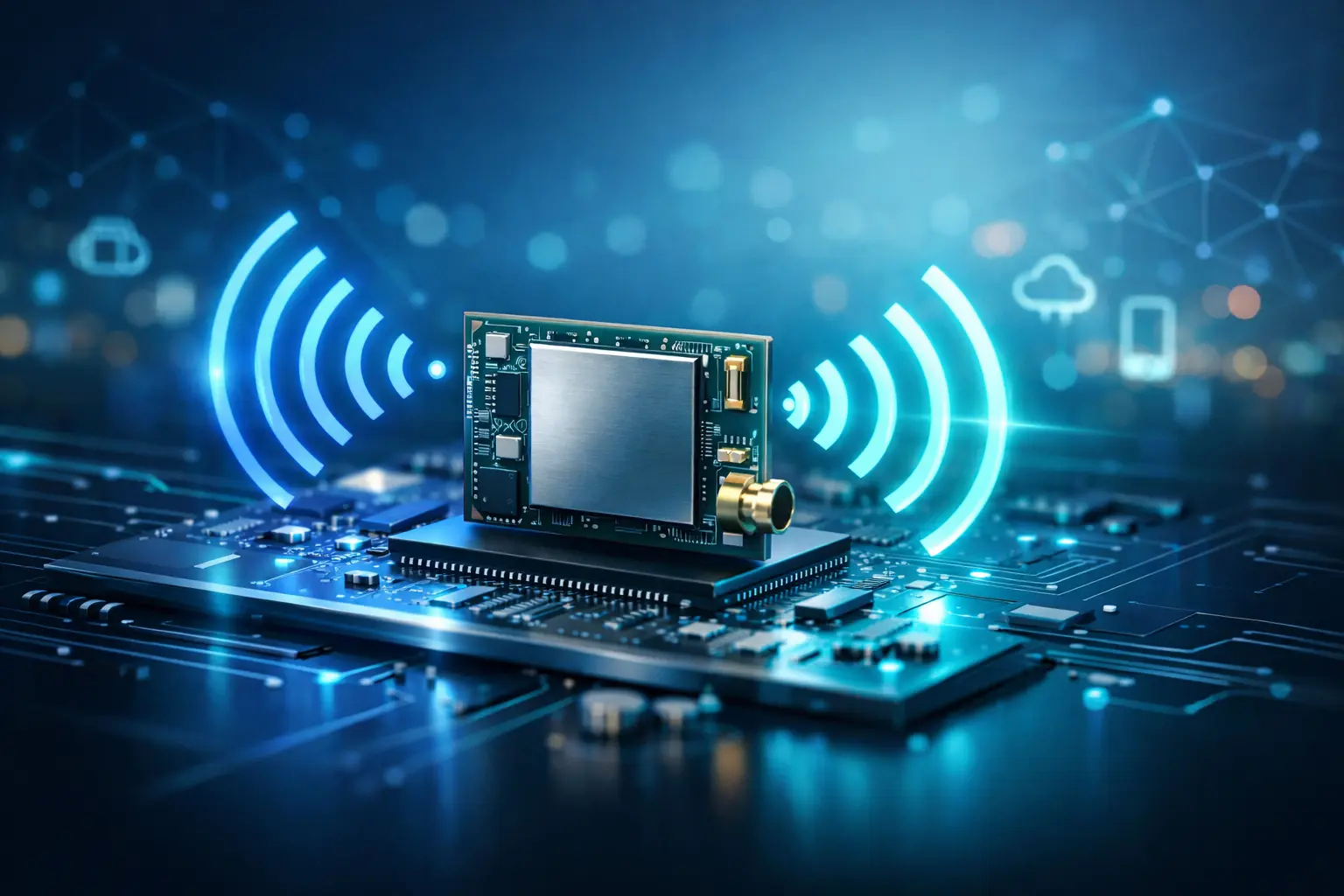
If you’ve ever torn apart a smart device, peeked inside an IoT prototype, or browsed hardware forums looking for reliable wireless modules, chances are you’ve stumbled across the name ampak technology. Maybe it was printed on a tiny Wi-Fi module, mentioned in a developer thread, or quietly listed in a product spec sheet without much explanation.
That’s usually how Ampak Technology shows up — behind the scenes, doing critical work, rarely getting the spotlight.
And yet, it plays a surprisingly big role in how modern devices connect, communicate, and perform.
As someone who’s spent years writing about hardware ecosystems, embedded systems, and connectivity solutions, I’ve learned that the most impactful technologies are often the least flashy. Ampak Technology is one of those. It sits at the intersection of wireless communication, system integration, and product scalability — and understanding it can save engineers, product teams, and even tech-savvy buyers a lot of frustration.
In this guide, you’ll learn:
- What Ampak Technology actually is (in plain English)
- How it works and where it’s used in the real world
- The practical benefits and limitations you should know about
- How to choose, integrate, and compare Ampak-based modules
- Common mistakes people make — and how to avoid them
Whether you’re a developer, startup founder, hardware enthusiast, or simply curious about the tech powering your devices, this article will give you a clear, grounded understanding — no fluff, no buzzwords, just real value.
What Is Ampak Technology? A Beginner-Friendly Explanation
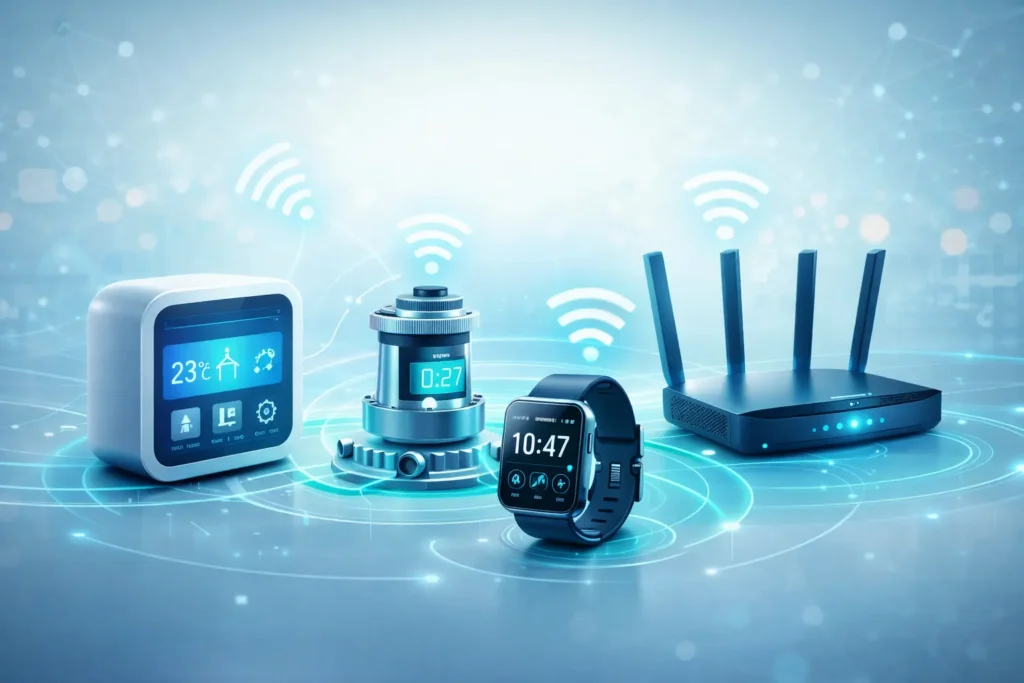
At its core, Ampak Technology refers to the wireless connectivity solutions developed by Ampak Technology Inc., a company best known for designing Wi-Fi, Bluetooth, and combo wireless modules used in consumer electronics, IoT devices, industrial hardware, and embedded systems.
Think of Ampak as the “connectivity middle layer.”
Instead of every device manufacturer building wireless communication from scratch — designing antennas, tuning RF performance, and certifying compliance — Ampak provides pre-engineered, pre-certified wireless modules that can be dropped into products.
A simple analogy helps here.
If building a device is like building a house:
- The CPU is the foundation
- The operating system is the framing
- The user interface is the paint and furniture
- Ampak Technology is the plumbing and wiring that lets your house connect to the outside world
You don’t usually see it, but everything depends on it working correctly.
What Ampak Actually Builds
Ampak Technology primarily focuses on:
- Wi-Fi modules (2.4 GHz, 5 GHz, dual-band)
- Bluetooth and Bluetooth Low Energy (BLE) modules
- Wi-Fi + Bluetooth combo modules
- Modules built around popular chipsets (Broadcom, MediaTek, Realtek, etc.)
These modules are widely used because they:
- Reduce development time
- Simplify regulatory certification
- Improve signal stability and reliability
- Lower overall production risk
Ampak doesn’t usually sell directly to consumers. Instead, their technology is embedded in products you already use — routers, smart TVs, cameras, wearables, medical devices, industrial sensors, and more.
How Ampak Technology Works Inside Modern Devices
To understand why Ampak Technology is so widely adopted, it helps to look at how it functions inside a device.
The Role of a Wireless Module
A wireless module is a compact hardware component that includes:
- A wireless chipset (the “brain”)
- RF circuitry for signal transmission
- Power management components
- Firmware and drivers
- Sometimes even a built-in antenna
Ampak Technology integrates all of these elements into a single, tested unit.
Instead of an engineering team needing RF specialists, antenna designers, and compliance experts, they can simply integrate an Ampak module and focus on the rest of the product.
Firmware, Drivers, and OS Compatibility
Another reason Ampak Technology stands out is software support.
Ampak modules often come with:
- Linux drivers
- Android compatibility
- SDK documentation
- Reference designs
This matters more than people realize.
A wireless module that works perfectly in hardware but lacks stable drivers can delay a product launch by months. Ampak’s long track record means many of their modules are already supported in mainstream operating systems — a huge advantage for developers.
Certification and Compliance
Wireless certification is one of the most painful parts of hardware development.
Ampak Technology modules are typically:
- FCC certified
- CE certified
- IC certified
That doesn’t eliminate all compliance work, but it significantly reduces the burden — especially for startups and small teams.
Benefits and Use Cases of Ampak Technology
One of the reasons Ampak Technology has remained relevant for so long is its versatility. These modules don’t just serve one industry or one type of device — they show up everywhere.
Key Benefits of Ampak Technology
Here’s why engineers and product teams consistently choose Ampak:
- Faster time-to-market
Pre-integrated modules mean less design, testing, and debugging. - Lower engineering risk
RF issues are notoriously hard to fix late in development. Ampak reduces that risk. - Proven reliability
These modules have been used in millions of devices worldwide. - Flexible integration
Works across consumer, industrial, and commercial applications. - Scalability
Easy to reuse across product generations and variations.
Real-World Use Cases
Let’s look at where Ampak Technology actually shows up.
Consumer Electronics
Smart TVs, streaming boxes, printers, cameras, and gaming devices often rely on Ampak modules for stable Wi-Fi and Bluetooth connectivity.
Internet of Things (IoT)
From smart thermostats to environmental sensors, Ampak Technology enables low-power, always-connected devices.
Industrial and Commercial Hardware
Factory monitoring systems, control panels, and logistics devices benefit from Ampak’s reliability and long lifecycle support.
Medical and Healthcare Devices
Connectivity in medical devices must be stable and compliant. Ampak modules are often used where failure is not an option.
In short, if a device needs dependable wireless communication without reinventing the wheel, Ampak Technology is usually in the conversation.
Step-by-Step Guide: How Ampak Technology Is Integrated into Products
Understanding the integration process helps you appreciate why Ampak Technology is so appealing — and where mistakes often happen.
Step 1: Define Connectivity Requirements
Before choosing an Ampak module, teams clarify:
- Wi-Fi standards needed (802.11 b/g/n/ac)
- Bluetooth vs BLE requirements
- Power consumption limits
- Data throughput needs
- Operating system compatibility
Skipping this step is a common mistake.
Step 2: Select the Appropriate Ampak Module
Ampak offers many module variants, each optimized for different use cases.
Selection factors include:
- Chipset brand and performance
- Antenna type (external vs onboard)
- Size and form factor
- Certification region support
Step 3: Hardware Integration
This involves:
- PCB layout following Ampak reference designs
- Power supply stability
- Antenna placement and isolation
- EMI considerations
Even with a pre-certified module, poor layout can ruin performance.
Step 4: Software and Driver Integration
Developers integrate:
- Kernel drivers
- Firmware blobs
- Network stack configuration
- Power management settings
Ampak’s documentation and sample code significantly reduce friction here.
Step 5: Testing and Validation
This includes:
- Throughput testing
- Range testing
- Stress testing under load
- Interference testing
Only after this stage should a product move toward mass production.
Tools, Comparisons, and Recommendations
Ampak Technology doesn’t exist in a vacuum. It competes — and coexists — with other wireless module providers.
Ampak vs Other Wireless Module Vendors
Compared to alternatives, Ampak often stands out for:
Pros:
- Strong chipset partnerships
- Broad OS compatibility
- Proven production history
- Reliable documentation
Cons:
- Not always the cheapest option
- Limited branding visibility
- Some modules prioritize stability over cutting-edge specs.
Free vs Paid Development Resources
Free resources:
- Datasheets
- Reference designs
- Community forum discussions
Paid or enterprise-level resources:
- Dedicated technical support
- Custom firmware
- Long-term supply guarantees
For startups, the free resources are often enough. Larger organizations usually benefit from paid support agreements.
Expert Recommendation
If your priority is stability, certification, and predictable performance, Ampak Technology is an excellent choice. If you’re chasing experimental features or ultra-low-cost designs, other options may be worth exploring — but with higher risk.
Common Mistakes with Ampak Technology (And How to Fix Them)
Even with a solid solution like Ampak, mistakes happen.
Mistake 1: Treating the Module as Plug-and-Play
Reality: RF design still matters.
Fix: Follow reference designs and test early.
Mistake 2: Ignoring Power Requirements
Reality: Wireless modules are sensitive to voltage drops.
Fix: Use stable regulators and proper decoupling.
Mistake 3: Poor Antenna Placement
Reality: A bad antenna layout can cut range in half.
Fix: Respect keep-out zones and grounding guidelines.
Mistake 4: Assuming Certification Covers Everything
Reality: Final products still require compliance testing.
Fix: Plan certification timelines realistically.
Mistake 5: Underestimating Software Integration
Reality: Drivers and firmware tuning take time.
Fix: Allocate proper development resources early.
Conclusion: Why Ampak Technology Continues to Matter
Ampak Technology isn’t trendy. It doesn’t dominate headlines. You won’t see it marketed directly to consumers.
And that’s exactly why it’s so valuable.
It quietly solves one of the hardest problems in hardware development — reliable wireless connectivity — in a way that’s practical, proven, and scalable.
If you’re building a product, evaluating a device, or simply trying to understand how modern electronics stay connected, knowing how Ampak Technology works gives you a real advantage. It helps you make smarter design choices, avoid common pitfalls, and ship better products faster.
If you’ve worked with Ampak modules before — or are considering them — feel free to share your experience or questions. Conversations like these are how real expertise grows.
FAQs
Ampak Technology is primarily used to provide Wi-Fi and Bluetooth connectivity in consumer electronics, IoT devices, industrial systems, and embedded hardware.
No. Ampak designs wireless modules that often use chipsets from companies like Broadcom or MediaTek.
Most Ampak Technology modules come with major regulatory certifications, reducing compliance effort for product manufacturers.
Yes. Many Ampak modules are optimized for low power consumption and stable long-term operation.
Ampak modules may cost more upfront but often save money by reducing development time, failures, and certification delays.
TECHNOLOGY
Artificial Intelligence for Artists: A Practical, Human Guide to Creating Smarter (Not Soulless) Art
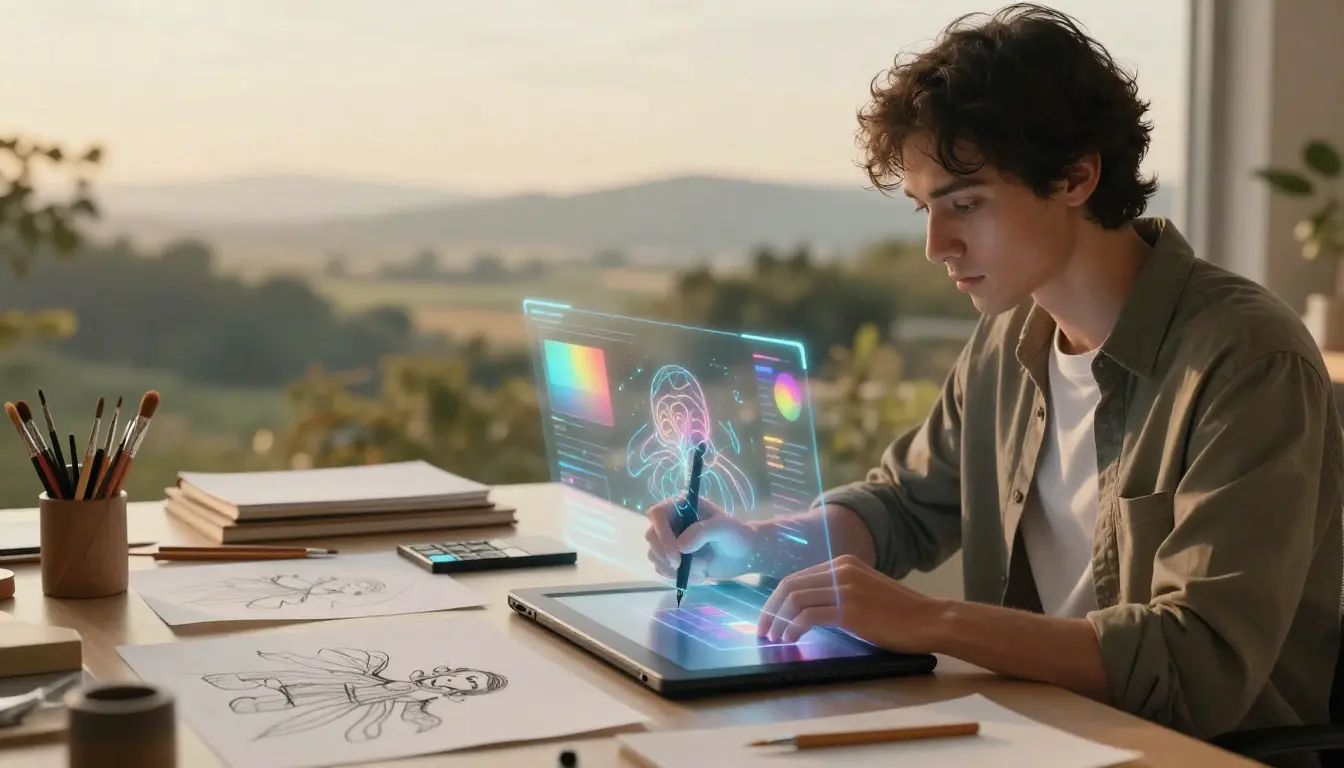
If you’re an artist, chances are you’ve felt it—that mix of curiosity and unease when someone mentions artificial intelligence for artists. Maybe a friend sent you an AI-generated image that looked too good. Maybe a client asked if you could “use AI to speed things up.” Or maybe you’ve quietly wondered whether these tools could actually help you break a creative block instead of replacing what you do.
I’ve been in creative rooms where AI felt like a gimmick—and in others where it genuinely unlocked new possibilities. The truth lives in the middle. Used thoughtfully, artificial intelligence for artists isn’t about cutting corners or losing your voice. It’s about expanding your toolkit, protecting your time, and giving your imagination more room to breathe.
This guide is written like a conversation between working creatives. We’ll unpack what AI really is (without jargon), how artists are using it right now, where it shines, where it fails, and how to integrate it without sacrificing authorship, ethics, or originality. By the end, you’ll know exactly how to decide if, when, and how AI belongs in your practice.
Artificial Intelligence for Artists: What It Actually Means (Without the Tech Headache)
Artificial intelligence for artists sounds intimidating because it’s often explained from a programmer’s perspective. Let’s flip that.
Think of AI less like a robot artist and more like a hyper-fast creative assistant. It doesn’t feel inspiration. It recognizes patterns—millions of them—then predicts what might come next based on your input. That’s it.
When you type a prompt into an image generator, AI isn’t “imagining” a scene. It’s statistically assembling visual elements based on what it has learned from existing images. When you use AI to upscale a sketch or generate color palettes, it’s not making aesthetic judgments—it’s applying learned probabilities.
For artists, this matters because AI is reactive, not proactive. You remain the director. The stronger your creative intent, the better the results.
In practice, artificial intelligence for artists usually falls into four categories:
- Ideation support: mood boards, rough concepts, composition variations
- Production assistance: upscaling, background generation, cleanup
- Workflow automation: tagging, resizing, exporting, batch tasks
- Exploration tools: style mixing, surreal experimentation, rapid iteration
The biggest misconception is that AI replaces skill. In reality, it amplifies skill. A trained artist gets far more value from AI than a beginner because they can spot errors, refine prompts, and shape outcomes with intention.
Why Artificial Intelligence for Artists Matters Right Now
We’re at a turning point similar to when digital art tablets first appeared. Traditional artists worried about losing craft. Digital artists worried about oversaturation. Then the dust settled—and tools became normal.
Artificial intelligence for artists matters today because:
- Creative timelines are shrinking
- Clients expect faster iteration
- Content demand has exploded across platforms
- Burnout is real, especially for freelancers
AI doesn’t remove the need for taste, judgment, or experience. It removes busywork. And in creative careers, time saved often means better art—not lazier art.
More importantly, artists who understand AI can:
- Set boundaries with clients
- Price work based on value, not hours
- Experiment without fear of wasting materials
- Stay competitive without racing to the bottom
Ignoring AI doesn’t protect your craft. Understanding it does.
Benefits and Real-World Use Cases of Artificial Intelligence for Artists


Let’s move past theory and talk about how artificial intelligence for artists is actually being used in studios, home offices, and freelance workflows.
Concept Artists and Illustrators
AI is frequently used at the sketch stage. Instead of staring at a blank canvas, artists generate rough compositions, lighting ideas, or environment concepts. These outputs aren’t final—they’re springboards.
A concept artist I worked with described AI as “visual brainstorming at warp speed.” He still painted everything himself, but he started with better questions.
Fine Artists and Mixed Media Creators
Painters and sculptors use AI to test compositions before committing materials. Photographers experiment with surreal backdrops. Installation artists map spatial ideas quickly.
AI doesn’t replace the final piece—it informs it.
Graphic Designers and Brand Artists
Designers use AI for:
- Rapid layout variations
- Background extensions
- Mockups for client approval
This reduces revision fatigue and keeps creative energy focused on strategy and storytelling.
Digital Creators and Social Artists
Artists producing content regularly—thumbnails, posters, album art—use AI to maintain consistency without burnout. AI handles repetitive variations so humans focus on narrative and emotion.
The common thread? Artificial intelligence for artists works best when it supports decision-making, not when it makes decisions for you.
A Step-by-Step Guide to Using Artificial Intelligence for Artists (Without Losing Control)


Step 1: Define Your Creative Intent First
Never open an AI tool without a goal. Are you exploring mood? Composition? Color? Texture? The clearer your intent, the more useful AI becomes.
Write a one-sentence brief like:
“I’m exploring moody lighting for a cyberpunk alley scene.”
This keeps AI outputs aligned with your vision instead of distracting you.
Step 2: Choose the Right Tool for the Job
Not all AI tools are interchangeable. Some are better for photorealism, others for illustration, others for design cleanup. We’ll compare tools in detail shortly.
Step 3: Learn Prompting Like a Visual Language
Prompting isn’t cheating—it’s communication. Artists who understand visual terminology get better results.
Instead of:
“Cool fantasy character”
Try:
“Painterly fantasy portrait, soft rim lighting, muted color palette, expressive brush strokes, shallow depth of field”
Your art education matters here.
Step 4: Iterate, Don’t Settle
The first output is rarely the best. Use AI like sketch paper. Generate variations, compare, refine.
Step 5: Take Back Control in Post-Processing
The most professional results come when artists repaint, redraw, or collage AI outputs. This is where authorship becomes clear—and defensible.
Artificial Intelligence for Artists: Tools, Comparisons, and Honest Recommendations



Midjourney
Best for expressive, painterly visuals and fast ideation. Incredible aesthetic range, but limited control unless you’re experienced with prompts.
Pros: Beautiful outputs, strong community
Cons: Less precise, subscription-based
Stable Diffusion
Ideal for artists who want control. You can train custom styles and work locally.
Pros: Customization, open-source flexibility
Cons: Steeper learning curve
Adobe Firefly
Designed with artists and licensing in mind. Integrates seamlessly with Photoshop and Illustrator.
Pros: Commercially safe, intuitive
Cons: Less experimental
Free vs Paid Tools
Free tools are great for exploration. Paid tools save time and offer reliability. Professionals usually blend both.
The best setup isn’t one tool—it’s a workflow.
Common Mistakes Artists Make with AI (and How to Fix Them)
The biggest mistake? Letting AI lead instead of follow.
Many artists:
- Skip concept development
- Accept first outputs
- Overuse trending styles
- Ignore ethical considerations
Fixes are simple but intentional:
- Always sketch or write first
- Use AI outputs as references, not finals
- Develop a recognizable personal style
- Understand usage rights and attribution
Artificial intelligence for artists rewards discernment. Taste is your competitive edge.
Ethics, Authorship, and Staying True to Your Voice
This conversation matters. Artists worry about originality—and rightly so.
Ethical use means:
- Being transparent when required
- Avoiding direct imitation of living artists’ styles
- Adding substantial human transformation
- Respecting platform licensing rules
AI doesn’t erase authorship if your creative decisions dominate the process. The line isn’t tool usage—it’s intent and transformation.
The Future of Artificial Intelligence for Artists (and Why Humans Still Matter)
AI will get faster. Outputs will get cleaner. But meaning, context, and emotional resonance remain human domains.
Audiences don’t connect with perfection. They connect with perspective.
Artists who thrive won’t be those who reject AI—or blindly adopt it—but those who use it deliberately, ethically, and creatively.
If you want a solid visual walkthrough of AI-assisted art workflows, this YouTube breakdown is genuinely helpful for artists:
https://www.youtube.com/watch?v=2v5R4wEJbLQ
Conclusion: Artificial Intelligence for Artists Is a Tool, Not a Threat
Artificial intelligence for artists isn’t about replacing creativity—it’s about reclaiming it. When used with intention, AI frees you from repetitive labor and gives you space to think, feel, and experiment.
The artists who benefit most aren’t the fastest or loudest. They’re the ones who stay curious, grounded, and human.
Try one tool. Test one workflow. Keep your standards high. And remember: the art still begins—and ends—with you.
FAQs
No. It’s a tool. Authorship depends on how much creative control and transformation you apply.
Yes, depending on the platform’s licensing terms and your level of human contribution.
It replaces repetitive tasks, not taste, storytelling, or originality.
Purely AI-generated work often isn’t. Human-transformed work usually is.
Visual literacy, art fundamentals, and clear creative direction.
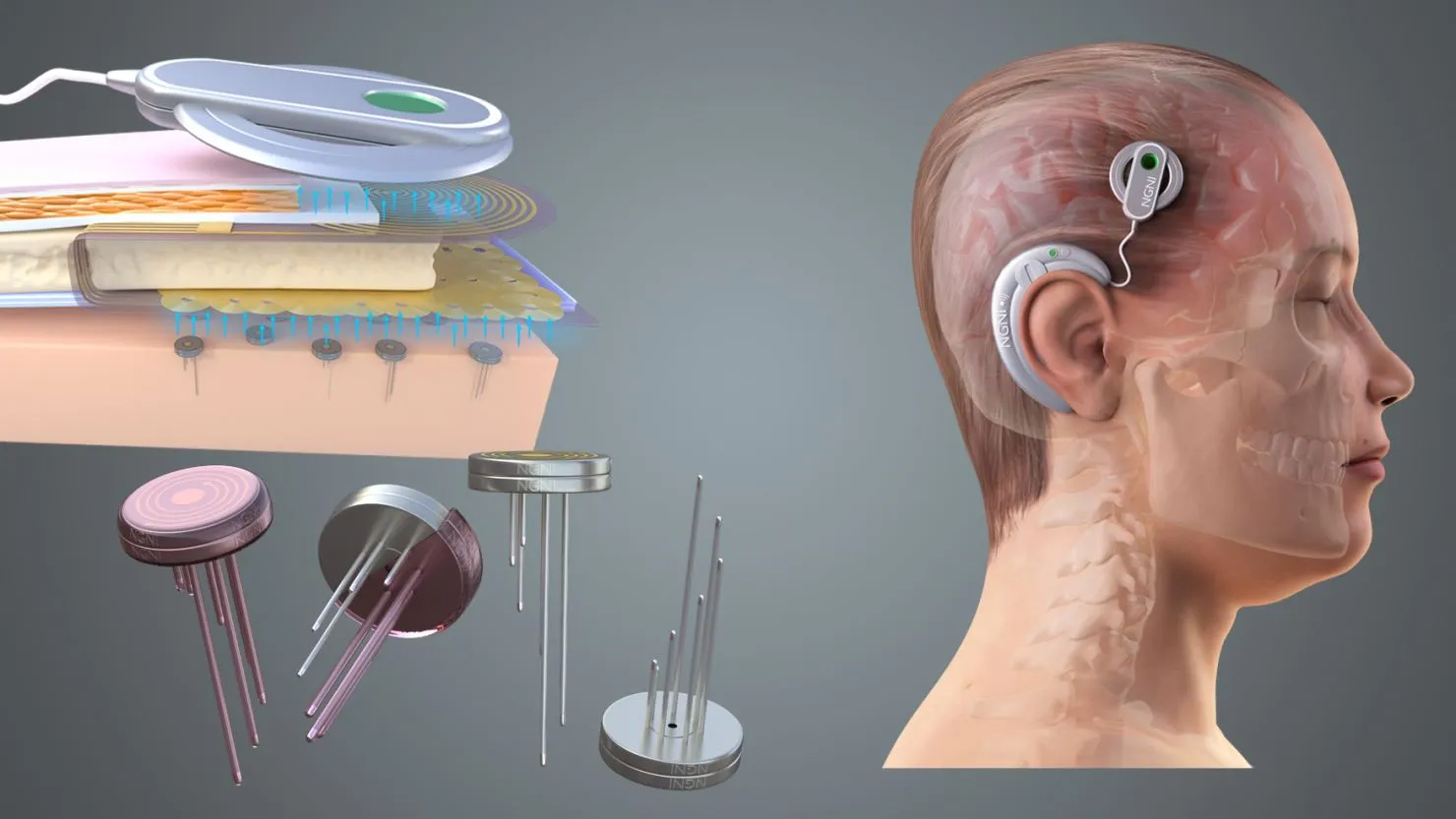
Brain chip technology is no longer a sci-fi trope whispered about in futuristic novels or late-night podcasts. It’s real, it’s advancing quickly, and it’s quietly reshaping how we think about health, ability, communication, and even what it means to be human. If you’ve ever wondered whether humans will truly connect their brains to computers—or whether that future is already here—you’re asking the right question at exactly the right time.
In the first 100 words, let’s be clear: brain chip technology refers to implantable or wearable systems that read, interpret, and sometimes stimulate neural activity to help the brain communicate directly with machines. This technology matters because it sits at the intersection of medicine, neuroscience, artificial intelligence, ethics, and human potential. In this deep-dive guide, you’ll learn how brain chips work, who they help today, where the technology is heading, the benefits and risks involved, and how to separate hype from reality.
Understanding Brain Chip Technology in Simple Terms
At its core, brain chip technology is about translating the language of the brain—electrical signals fired by neurons—into something computers can understand. Think of your brain as an incredibly fast, complex orchestra where billions of neurons communicate through electrical impulses. A brain chip acts like a highly sensitive microphone placed inside that orchestra, listening carefully and translating those signals into digital commands.
This field is more formally known as brain-computer interfaces (BCIs). Some BCIs are external, using EEG caps that sit on the scalp. Others are invasive, meaning tiny electrodes are surgically implanted into specific regions of the brain. The more closely you listen to neurons, the more accurate the signal becomes, which is why implantable brain chips are such a big focus right now.
To make this relatable, imagine typing without your hands. Instead of pressing keys, you think about moving your fingers, and the brain chip detects those intentions and converts them into text on a screen. That’s not hypothetical—it’s already happening in clinical trials. The magic lies not in reading thoughts like a mind reader, but in detecting patterns associated with intention, movement, or sensation.
The Science Behind Brain Chip Technology (Without the Jargon)
The human brain communicates using electrochemical signals. When neurons fire, they create tiny voltage changes. Brain chips use microelectrodes to detect these changes and feed the data into algorithms trained to recognize patterns.
Modern brain chip systems rely heavily on machine learning. Over time, the system “learns” what specific neural patterns mean for a particular person. This personalization is critical because no two brains are wired exactly alike.
There are three main technical components involved:
Neural sensors that capture brain activity
Signal processors that clean and decode the data
Output systems that translate signals into actions like moving a cursor or activating a prosthetic
Some advanced brain chips also work in reverse. They don’t just read signals—they send electrical stimulation back into the brain. This is how treatments like deep brain stimulation already help patients with Parkinson’s disease. The next generation aims to restore sensation, reduce chronic pain, or even repair damaged neural circuits.
Why Brain Chip Technology Matters More Than Ever
The urgency around brain chip technology isn’t about novelty—it’s about unmet needs. Millions of people worldwide live with paralysis, neurodegenerative diseases, spinal cord injuries, or speech impairments. Traditional medicine can only go so far once neural pathways are damaged.
Brain chips offer a workaround. Instead of repairing broken biological connections, they bypass them. That’s a profound shift in how we approach disability and recovery.
Beyond healthcare, the technology raises serious questions about human augmentation, cognitive enhancement, privacy, and ethics. We’re standing at the same kind of crossroads humanity faced with the internet or smartphones—except this time, the interface is the human brain itself.
Real-World Benefits and Use Cases of Brain Chip Technology
Restoring Movement and Independence
One of the most powerful applications of brain chip technology is helping paralyzed individuals regain control over their environment. People with spinal cord injuries have used brain chips to control robotic arms, wheelchairs, and even their own paralyzed limbs through external stimulators.
The emotional impact of this cannot be overstated. Being able to pick up a cup, type a message, or scratch an itch after years of immobility is life-changing. These aren’t flashy demos; they’re deeply human victories.
Communication for Locked-In Patients
Patients with ALS or brainstem strokes sometimes retain full cognitive ability but lose the power to speak or move. Brain chips allow them to communicate by translating neural signals into text or speech.
In clinical trials conducted by organizations like BrainGate, participants have typed sentences using only their thoughts. For families, this restores not just communication, but dignity and connection.
Treating Neurological Disorders
Brain chips are also being explored for treating epilepsy, depression, OCD, and chronic pain. By monitoring abnormal neural patterns and intervening in real time, these systems could offer more precise treatments than medication alone.
Unlike drugs that affect the entire brain, targeted neural stimulation focuses only on the circuits involved, reducing side effects and improving outcomes.
Future Cognitive Enhancement (With Caveats)
While medical use comes first, many people are curious about enhancement—faster learning, improved memory, or direct brain-to-AI interaction. Companies like Neuralink, founded by Elon Musk, openly discuss long-term goals involving human-AI symbiosis.
It’s important to note that enhancement applications remain speculative and ethically complex. Today’s reality is firmly medical and therapeutic.
A Practical, Step-by-Step Look at How Brain Chip Technology Is Used
Understanding the process helps demystify the technology and separate reality from hype.
The journey typically begins with patient evaluation. Neurologists determine whether a person’s condition could benefit from a brain-computer interface. Not everyone is a candidate, and risks are carefully weighed.
Next comes surgical implantation for invasive systems. Using robotic assistance and brain imaging, surgeons place microelectrodes with extreme precision. The procedure is delicate but increasingly refined.
After implantation, calibration begins. This is where machine learning plays a central role. The system observes neural activity while the user attempts specific actions, gradually learning how to interpret their signals.
Training follows. Users practice controlling devices through thought alone. This stage requires patience, but most users improve rapidly as brain and machine adapt to each other.
Ongoing monitoring and updates ensure safety and performance. In regulated environments, oversight from agencies like the FDA ensures ethical and medical compliance.
Tools, Platforms, and Leading Brain Chip Developers
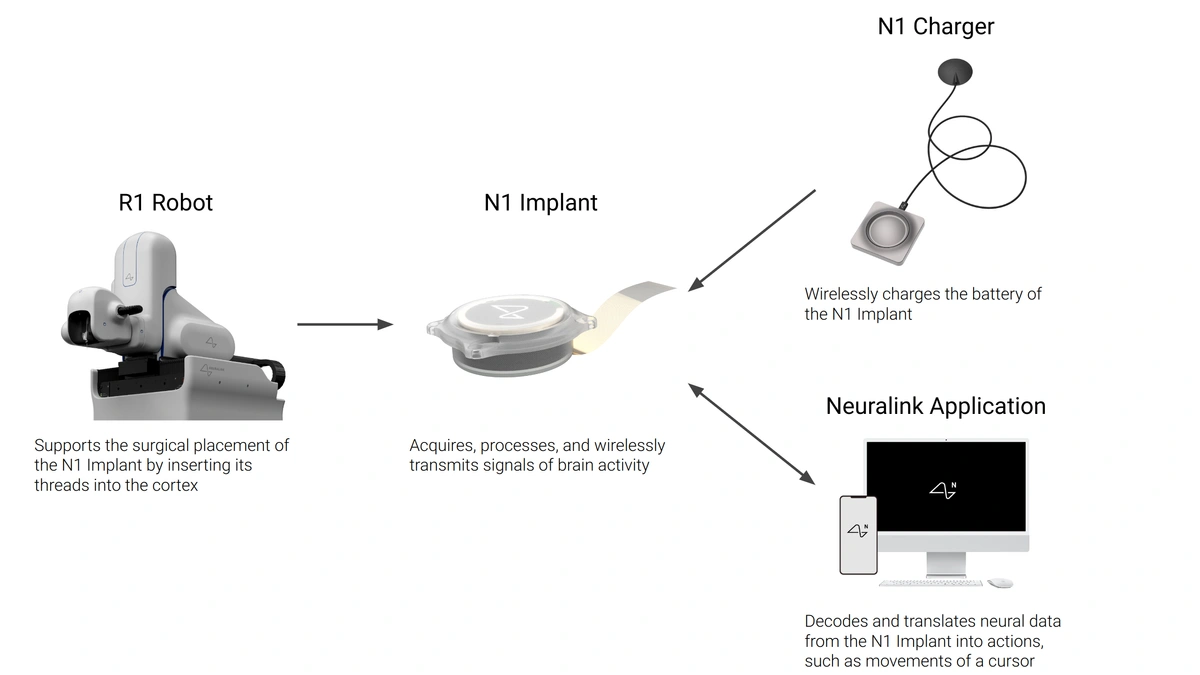
Several organizations are shaping the present and future of brain chip technology.
Synchron focuses on minimally invasive implants delivered through blood vessels, avoiding open-brain surgery. Their approach reduces risk and speeds recovery.
Blackrock Neurotech provides research-grade neural implants used in many clinical trials worldwide. Their Utah Array has become a standard in neuroscience research.
Academic-industry partnerships continue to drive innovation, blending rigorous science with real-world application. While consumer versions don’t exist yet, medical systems are advancing steadily.
Free vs paid doesn’t quite apply here like it does in software, but the distinction between research access and commercial availability is important. Most current brain chip systems are accessible only through clinical trials.
Common Mistakes and Misconceptions About Brain Chip Technology
One of the biggest mistakes people make is assuming brain chips can read private thoughts. They cannot. These systems decode specific neural patterns related to trained tasks, not abstract ideas or secrets.
Another misconception is that brain chip users lose autonomy or become controlled by machines. In reality, control flows from human to machine, not the other way around. The user remains fully conscious and in charge.
Many also overestimate the speed of development. While progress is impressive, widespread consumer brain chips are not imminent. Regulatory, ethical, and safety hurdles are substantial and necessary.
Finally, ignoring ethical considerations is a serious error. Data privacy, consent, and long-term effects must be addressed responsibly as the technology evolves.
Ethical, Legal, and Social Implications You Should Understand
Brain chip technology forces society to confront new ethical territory. Who owns neural data? How do we protect users from misuse? Could access become unequal?
Regulation is still catching up. Governments, ethicists, and technologists must collaborate to ensure safeguards without stifling innovation. Transparency and public dialogue are essential.
The most responsible developers emphasize medical need first, enhancement later—if ever. This prioritization builds trust and aligns innovation with genuine human benefit.
Where Brain Chip Technology Is Headed Next
The next decade will likely bring smaller implants, wireless power, longer lifespans, and improved signal resolution. Non-invasive and minimally invasive approaches will expand accessibility.
Integration with AI will improve decoding accuracy and personalization. However, meaningful breakthroughs will come from clinical success stories, not flashy announcements.
Brain chip technology won’t replace smartphones overnight, but it may quietly redefine assistive medicine and rehabilitation in ways we’re only beginning to understand.
Conclusion: What Brain Chip Technology Really Means for Humanity
Brain chip technology isn’t about turning people into cyborgs. It’s about restoring lost abilities, unlocking communication, and giving people back parts of their lives once thought gone forever. The true power of this technology lies not in futurism, but in compassion.
As research continues and safeguards mature, brain chips may become one of the most humane uses of advanced technology we’ve ever developed. If you’re curious, cautious, or cautiously optimistic—you’re in good company. The future of brain chip technology will be shaped not just by engineers, but by informed, engaged humans like you.
FAQs
Current systems are tested under strict clinical protocols. While surgery carries risk, safety has improved significantly.
No. They detect trained neural patterns related to specific tasks, not abstract or private thoughts.
People with paralysis, ALS, spinal cord injuries, and certain neurological disorders benefit most today.
Some implants are designed for long-term use, while others can be removed or upgraded.
Not yet. Most access is through clinical trials or specialized medical programs.
Have you ever unlocked your phone without typing a password, walked through an airport without showing your boarding pass, or noticed a camera that seems a little too smart? Behind those everyday moments is face recognition technology, quietly reshaping how we interact with devices, services, and even public spaces.
I still remember the first time I saw face recognition used outside a smartphone. It was at a corporate office where employees simply walked in—no badges, no sign-in desk. The system recognized faces in real time, logging attendance automatically. It felt futuristic… and slightly unsettling. That mix of convenience and concern is exactly why face recognition technology matters today.
This technology is no longer limited to sci-fi movies or government labs. It’s now embedded in smartphones, banking apps, airports, retail stores, healthcare systems, and even classrooms. Businesses love it for security and efficiency. Consumers love it for speed and ease. Regulators, meanwhile, are racing to keep up.
In this guide, I’ll walk you through what face recognition technology really is, how it works under the hood, where it’s being used successfully, and what mistakes to avoid if you’re considering it. I’ll also share practical tools, real-world use cases, ethical considerations, and where this rapidly evolving technology is headed next. Whether you’re a tech enthusiast, business owner, or simply curious, you’ll leave with a clear, balanced understanding.
What Is Face Recognition Technology? (Explained Simply)
At its core, face recognition technology is a biometric system that identifies or verifies a person based on their facial features. Think of it like a digital version of how humans recognize each other—but powered by algorithms instead of memory.
Here’s a simple analogy:
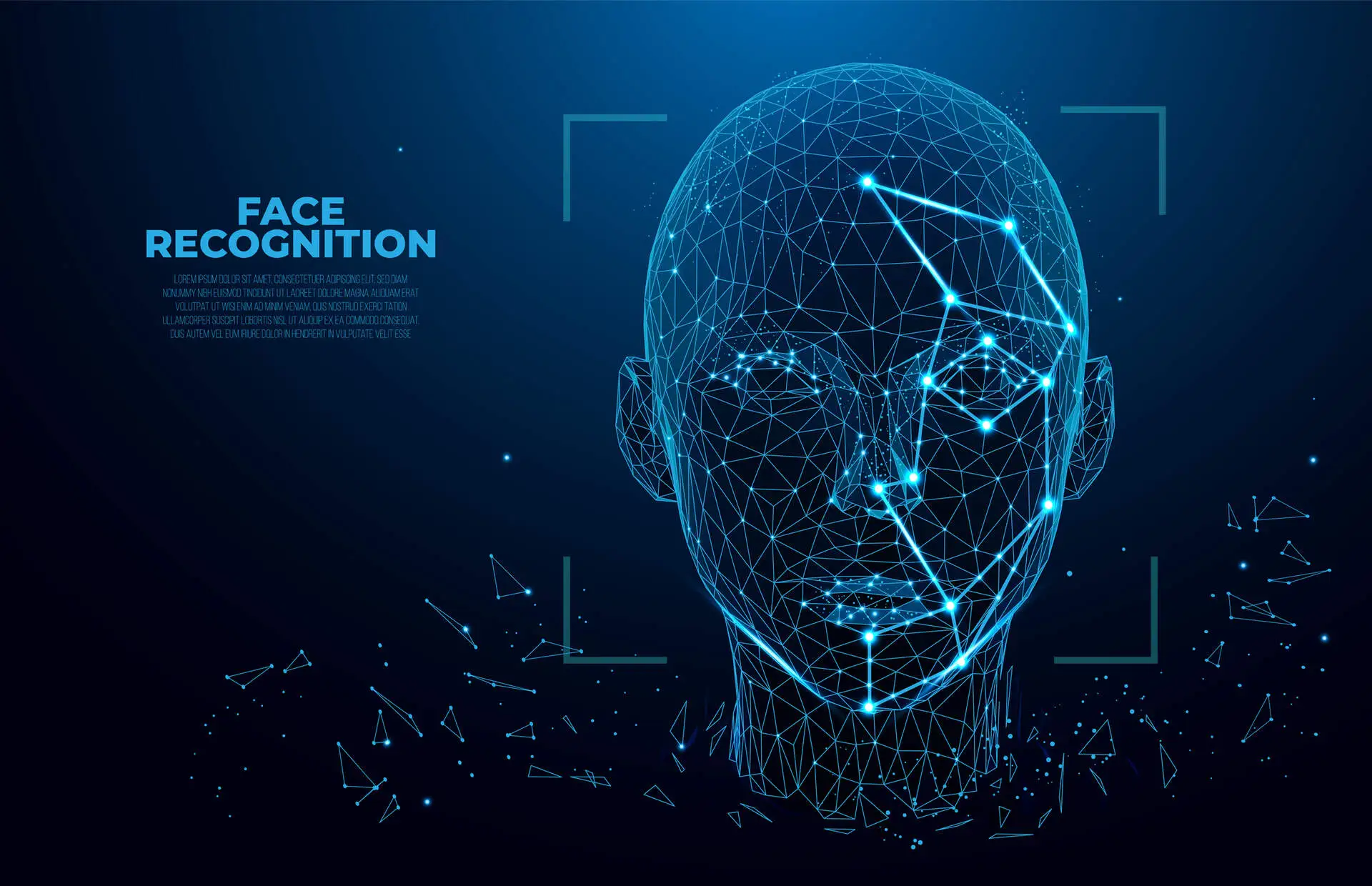
Imagine your brain keeping a mental “map” of someone’s face—eye distance, nose shape, jawline, and overall proportions. Face recognition software does something similar, but mathematically. It converts facial characteristics into data points, creating a unique facial signature often called a faceprint.
The process usually involves three stages:
- Face Detection – The system detects a human face in an image or video.
- Feature Analysis – Key facial landmarks (eyes, nose, mouth, cheekbones) are measured.
- Matching – The extracted data is compared against stored face templates in a database.
What makes modern face recognition powerful is artificial intelligence and deep learning. Older systems struggled with lighting, angles, or facial expressions. Today’s AI-driven models improve with more data, learning to recognize faces even with glasses, masks, facial hair, or aging.
It’s also important to distinguish between face detection and face recognition. Detection simply finds a face in an image. Recognition goes a step further—it identifies who that face belongs to. Many apps use detection only, while security systems rely on full recognition.
Why Face Recognition Technology Matters Today
Face recognition technology sits at the intersection of security, convenience, and identity. In a world where digital fraud, identity theft, and data breaches are rising, traditional passwords are no longer enough. Faces, unlike passwords, can’t be forgotten or easily stolen—at least in theory.
From a business perspective, the value is clear:
- Faster authentication than PINs or cards
- Reduced fraud in banking and payments
- Improved customer experience through personalization
- Automation of manual identity checks
From a societal perspective, the stakes are higher. Face recognition can enhance public safety, but it also raises serious questions about privacy, consent, and surveillance. This dual nature is why governments, tech companies, and civil rights groups are all paying close attention.
The technology isn’t inherently good or bad—it’s how it’s used that matters. Understanding its mechanics and implications is the first step to using it responsibly.
Benefits and Real-World Use Cases of Face Recognition Technology



1. Enhanced Security and Fraud Prevention
One of the strongest advantages of face recognition technology is security. Banks use it to verify users during mobile transactions. Offices use it to control access to restricted areas. Even smartphones rely on facial biometrics to protect sensitive data.
Unlike passwords or access cards, faces are difficult to duplicate. When combined with liveness detection (checking that the face is real and not a photo), systems become significantly harder to fool.
2. Seamless User Experience
Convenience is where face recognition truly shines. No typing. No remembering. No physical contact. Just look at the camera.
Examples include:
- Unlocking phones and laptops
- Contactless payments
- Hotel check-ins without front desks
- Smart homes that recognize residents
For users, this feels almost magical. For businesses, it reduces friction and boosts satisfaction.
3. Attendance, Access, and Workforce Management
Companies and schools use face recognition systems to track attendance automatically. No buddy punching. No fake sign-ins. The system logs time accurately, saving administrative hours and improving accountability.
4. Healthcare and Patient Safety
Hospitals use face recognition to identify patients, access medical records quickly, and prevent identity mix-ups. In emergencies, this can save lives by ensuring the right treatment reaches the right person.
5. Law Enforcement and Public Safety
When used responsibly and legally, face recognition helps identify missing persons, suspects, and victims. However, this use case is also the most controversial due to privacy concerns—highlighting the need for strict oversight.
How Face Recognition Technology Works: Step-by-Step


Let’s break down the technical workflow in plain language.
Step 1: Image or Video Capture
The system captures an image via a camera—this could be a smartphone camera, CCTV feed, or laptop webcam. Quality matters here. Better lighting and resolution improve accuracy.
Step 2: Face Detection
Using computer vision, the system locates a face within the image. It draws a digital boundary around it, ignoring backgrounds or other objects.
Step 3: Facial Feature Extraction
This is the heart of face recognition technology. The software measures distances between facial landmarks:
- Eye spacing
- Nose width
- Jawline shape
- Lip contours
These measurements form a numerical template unique to each individual.
Step 4: Data Encoding
The facial template is converted into a mathematical representation. This data—not the raw image—is usually stored to protect privacy.
Step 5: Matching and Decision
The system compares the new face template against stored templates. If the similarity score crosses a predefined threshold, access is granted or identity confirmed.
Best Practices for Accuracy
- Use high-quality cameras
- Enable liveness detection
- Regularly update facial data
- Combine with other authentication methods for sensitive systems
Tools, Software, and Face Recognition Platforms Compared
When choosing face recognition technology, tools fall into two broad categories: consumer-level and enterprise-grade.
Free and Open-Source Options
Pros:
- Cost-effective
- Customizable
- Good for experimentation
Cons:
- Require technical expertise
- Limited support
- Not always production-ready
Best for developers and researchers testing concepts.
Paid and Enterprise Solutions
Pros:
- High accuracy
- Scalability
- Built-in compliance features
- Customer support
Cons:
- Subscription costs
- Vendor lock-in
Ideal for businesses needing reliability and legal compliance.
What to Look for When Choosing a Tool
- Accuracy across demographics
- Data security and encryption
- Compliance with privacy laws
- Integration with existing systems
There’s no “one-size-fits-all” solution. The best tool depends on your use case, budget, and ethical stance.
Common Mistakes with Face Recognition Technology (and How to Fix Them)
Even powerful technology fails when misused. Here are mistakes I’ve seen repeatedly—and how to avoid them.
Mistake 1: Ignoring Bias and Accuracy Issues
Early face recognition systems performed poorly on certain demographics. This leads to false positives and discrimination.
Fix:
Choose models trained on diverse datasets and test performance regularly.
Mistake 2: Poor Consent and Transparency
Deploying face recognition without informing users damages trust and may violate laws.
Fix:
Always provide clear notices, obtain consent, and explain data usage.
Mistake 3: Overreliance on Face Recognition Alone
No system is 100% accurate.
Fix:
Use multi-factor authentication for high-risk scenarios.
Mistake 4: Weak Data Protection
Storing facial data insecurely is a major risk.
Fix:
Encrypt data, limit retention, and restrict access.
Ethical and Privacy Considerations You Can’t Ignore
Face recognition technology deals with one of the most personal identifiers we have—our face. Misuse can lead to mass surveillance, loss of anonymity, and abuse of power.
Key ethical principles include:
- Consent – People should know and agree.
- Purpose Limitation – Use data only for stated goals.
- Accountability – Systems must be auditable.
- Fairness – Avoid bias and discrimination.
Governments worldwide are debating regulations, and businesses that ignore ethics risk backlash, fines, and reputational damage.
The Future of Face Recognition Technology
The next generation of face recognition technology will be smarter, more private, and more regulated.
Trends to watch:
- On-device processing (no cloud storage)
- Improved accuracy with masks and aging
- Stronger privacy-preserving techniques
- Integration with augmented reality and smart cities
The future isn’t about more surveillance—it’s about smarter, safer identity verification.
Conclusion
Face recognition technology is no longer a novelty—it’s a foundational tool shaping security, convenience, and digital identity. When implemented responsibly, it saves time, reduces fraud, and improves experiences. When misused, it threatens privacy and trust.
The key takeaway? Use face recognition with intention. Understand how it works, choose the right tools, respect ethics, and stay informed as regulations evolve.
If you’re exploring this technology for business or personal use, start small, test carefully, and always put people first. Technology should serve humans—not the other way around.
FAQs
Yes, when implemented with strong security, encryption, and consent-based policies.
Top systems exceed 99% accuracy in controlled conditions, though real-world performance varies.
Modern AI models can, though accuracy may slightly decrease.
It depends on your country and use case. Always check local laws.
Like any data, yes—if poorly protected. Strong security minimizes risk.
-

 HEALTH7 months ago
Children’s Flonase Sensimist Allergy Relief: Review
-

 BLOG6 months ago
Discovering The Calamariere: A Hidden Gem Of Coastal Cuisine
-

 TECHNOLOGY6 months ago
How to Build a Mobile App with Garage2Global: From Idea to Launch in 2025
-

 TECHNOLOGY2 months ago
AVtub: The Rise of Avatar-Driven Content in the Digital Age
-

 BLOG7 months ago
Warmables Keep Your Lunch Warm ~ Lunch Box Kit Review {Back To School Guide}
-

 HEALTH7 months ago
Turkey Neck Fixes That Don’t Need Surgery
-

 BLOG6 months ago
Keyword Optimization by Garage2Global — The Ultimate 2025 Guide
-

 EDUCATION2 months ago
HCOOCH CH2 H2O: Structure, Properties, Applications, and Safety of Hydroxyethyl Formate